December 10, 2025
 590
590Industry research data indicates that implementing systematic preventive maintenance and condition monitoring can reduce bulldozer equipment failure rates by 87%, extend overall service life by 45%, and decrease operating costs by 65%. In high-intensity, complex construction environments, this maintenance system is increasingly becoming a critical means of ensuring construction efficiency and equipment reliability.
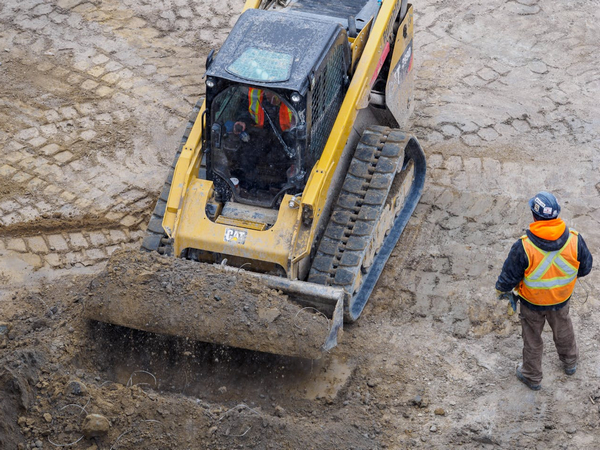
Systematic bulldozer maintenance centers on four core modules: the track system, hydraulic system, engine system, and undercarriage components. Structured inspections, data-driven monitoring, and scientific maintenance of critical parts effectively address 90% of key factors causing equipment failures, significantly enhancing overall machine performance.
Track System: Daily Inspections and Precise Tension Management are Key
The track system is the primary wear area during heavy-duty operation. Systematic track maintenance includes daily visual inspections, tension calibration, debris removal, and wear pattern analysis.
During routine operations, inspecting wear on track plates, pins, bushings, and other components enables early detection of potential hazards. Accurate measurement and adjustment of track tension ensure proper ground contact and prevent excessive stress on drive components. Simultaneously, regularly removing accumulated debris from idler and sprocket areas helps maintain track alignment and delays wear. Long-term tracking of wear data also aids in identifying misalignment or missed maintenance, providing a basis for subsequent repairs.
Hydraulic System: Fluid Management and Pressure Monitoring Ensure High Reliability
The hydraulic system is central to the bulldozer's power transmission and motion control. Systematic maintenance begins with hydraulic fluid quality assessment. Through regular sampling and analysis, contamination and wear indicators are monitored to prevent catastrophic damage to pumps and cylinders.
Building on this foundation, a scientifically planned filter replacement schedule effectively controls contamination levels. Combined with pressure testing and cycle time monitoring, performance degradation or system anomalies can be detected early. Additionally, proactively identifying and repairing hydraulic leaks helps stabilize system pressure, enhance operational efficiency, and reduce environmental risks.
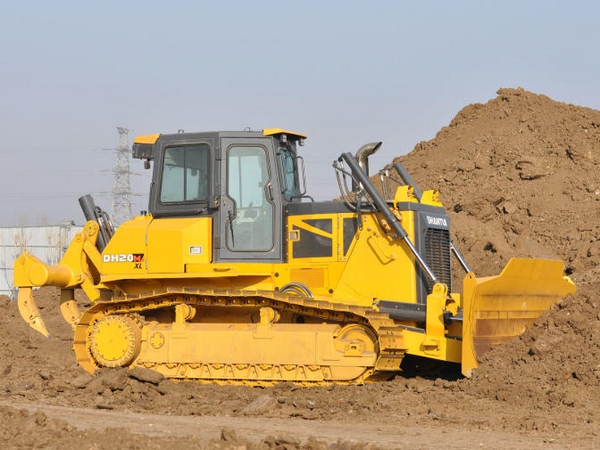
Engine System: Dual Pathways for Performance Optimization and Lifespan Extension
Bulldozer engines endure continuous heavy loads under demanding conditions, making the stability of four critical systems—air, oil, cooling, and fuel—essential.
Daily air filter cleaning ensures airflow and combustion efficiency, while systematic oil sampling optimizes change intervals and monitors wear progression. Concurrently, regular cooling system maintenance—including radiator cleaning, coolant inspection, and thermostat testing—effectively prevents overheating and structural damage. Additionally, maintaining fuel system cleanliness and filtration ensures injection performance and avoids power loss due to fuel contamination.
Undercarriage System: Wear Management and Component Replacement for Operational Stability
The undercarriage is the bulwark against impact and load for bulldozers. Periodic inspections of components like idler wheels, guide wheels, and track rollers effectively control wear risks. The tooth profile and wear level of drive sprockets directly impact travel power, necessitating systematic inspection and timely replacement.
Furthermore, maintaining the structural integrity and weld quality of track frames is vital for ensuring equipment stability and operational safety. Adhering to lubrication schedules for critical joints further extends undercarriage lifespan and overall reliability.
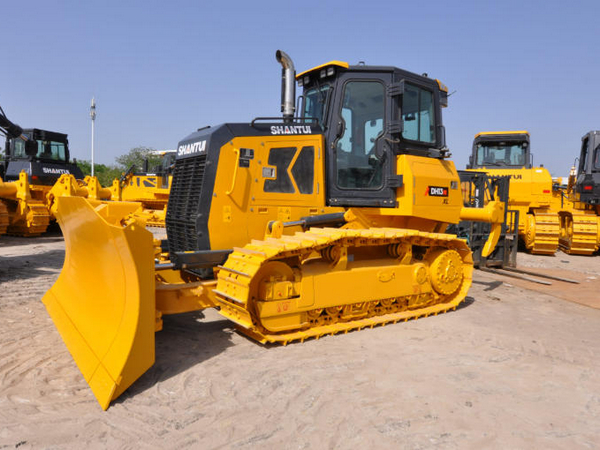
As maintenance systems evolve toward digitalization and intelligence, bulldozers' reliability and economics are being comprehensively reshaped by systematic maintenance solutions. Moving forward, the industry will deepen advancements in condition monitoring, intelligent diagnostics, and predictive maintenance to achieve lower downtime rates, higher productivity, and more controllable lifecycle costs.



-
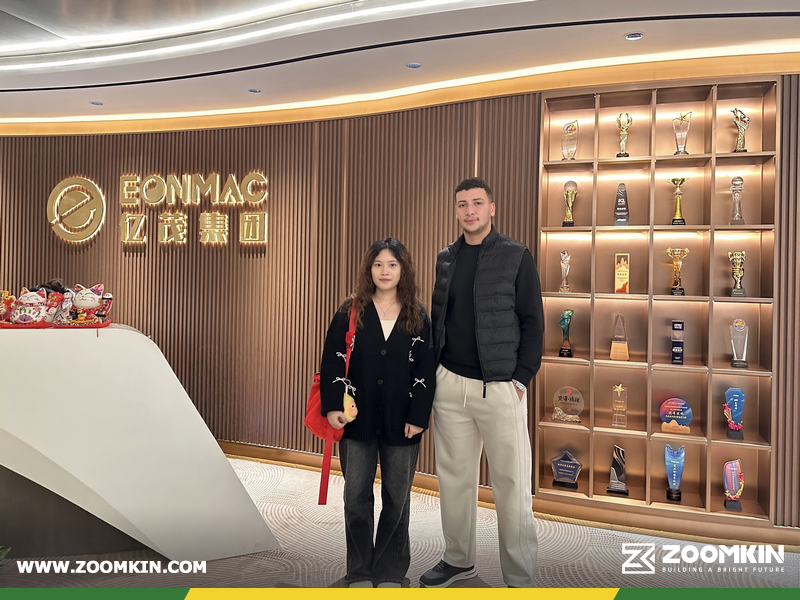 Algeria Customer Visited EONMAC OfficeDecember 03, 2025
 -
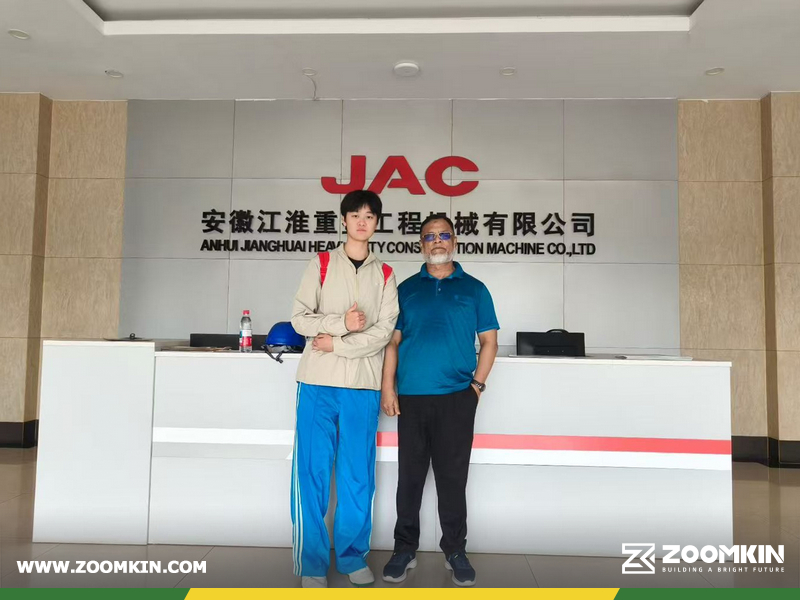 Bangladesh Customer Visited JAC FactoryOctober 11, 2025
 -
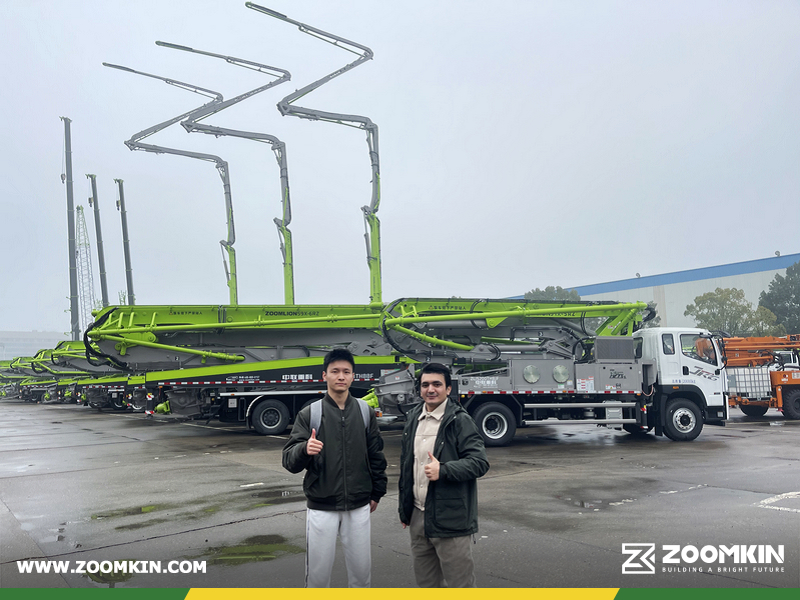 Kyrgyzstan Customer Visited ZOOMLION FactoryJanuary 31, 2024
 -
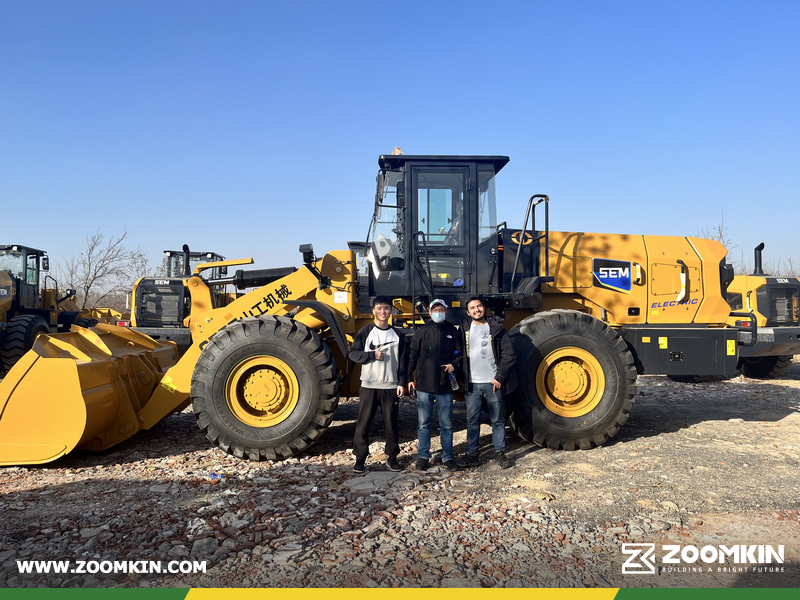 Colombia Customers Visted SEM FactoryDecember 08, 2023
-
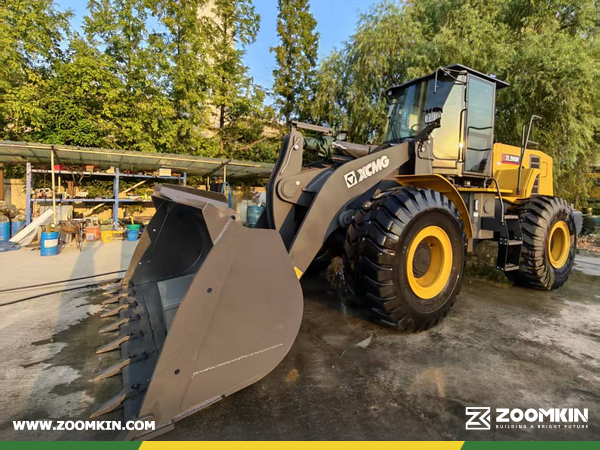 Zimbabwe - 1 Unit XCMG ZL50GN Wheel LoaderSeptember 17, 2026
 -
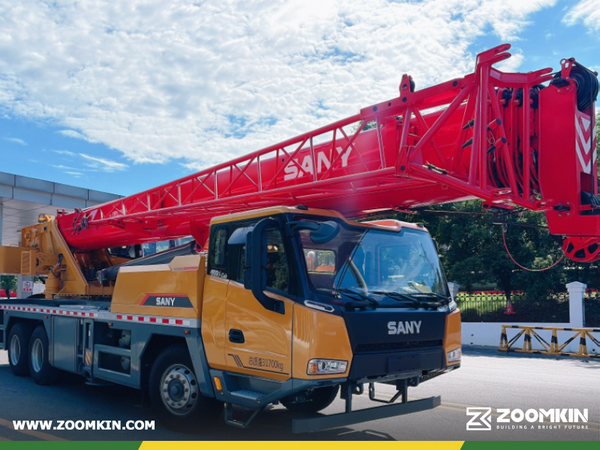 Maldives - 1 Unit SANY STC250C5-8 Truck Crane & 1 Unit XCMG XC6-3007V TelehandlerSeptember 11, 2026
 -
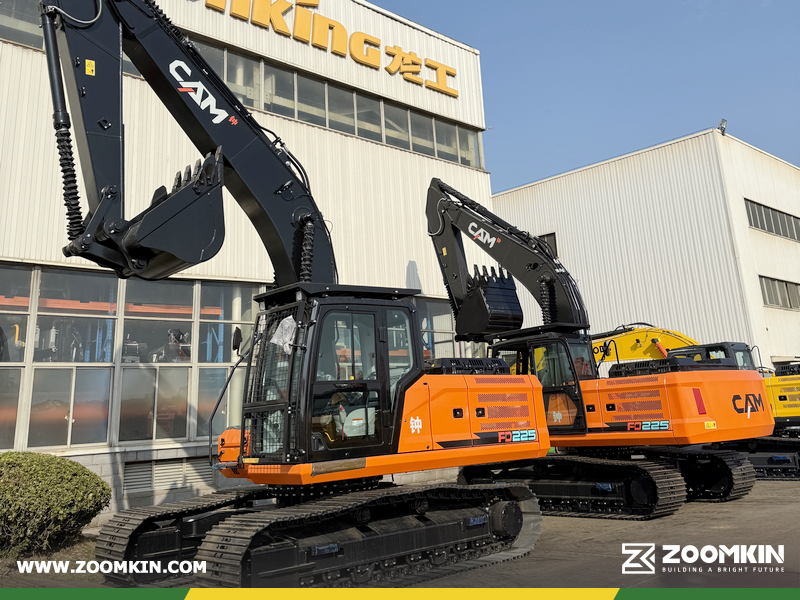 Ecuador - 3 Units LONKING FD225 Crawler ExcavatorDecember 17, 2025
 -
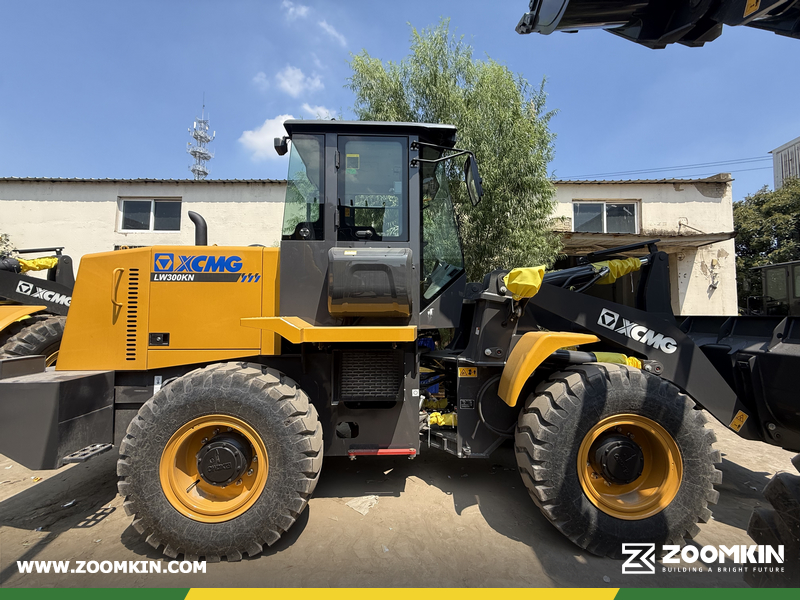 Bangladesh - 1 Unit XCMG LW300KN Wheel LoaderNovember 09, 2025
 -
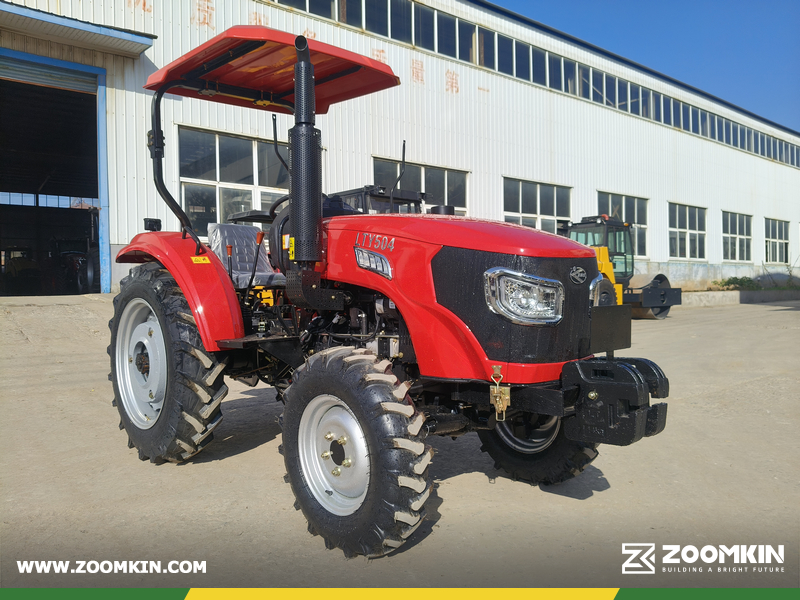 Argentina - 7 Units LUTONG LTY504 Wheel TractorOctober 31, 2025

 +86-592-5535-506
 +86-139-5926-1266
+86-159-5923-7232
 +86-592-5535-506
 Suite 1602, Qinggong Building, No. 366 Hubin South Road, Siming District, Xiamen City, Fujian Province, China