January 15, 2026
 434
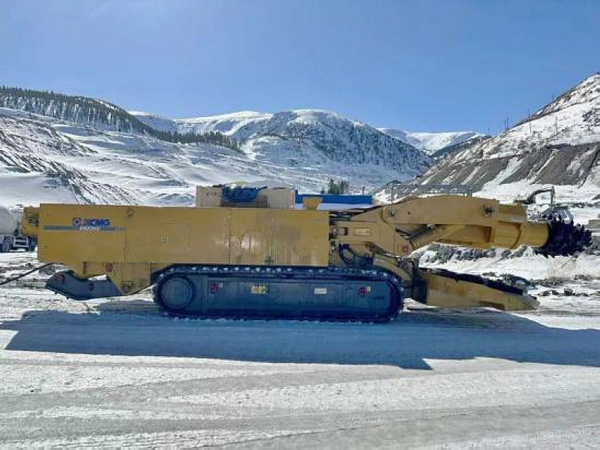
434As winter sets in, harsh environments characterized by low temperatures, heavy snowfall, and freezing conditions impose greater demands on the operational stability and construction safety of tunnel boring machines. Sudden drops in temperature not only affect equipment startup performance but may also trigger issues such as hydraulic lag, electrical failures, and component freezing, directly hindering construction progress.
This winter maintenance technical guide is developed based on the structural characteristics of TBMs and typical winter operating conditions, providing reference for safe and efficient equipment operation.
Ⅰ. Hydraulic System: Prevent Viscosity Increase, Ensure Smooth Operation
Winter temperatures significantly increase hydraulic oil viscosity, leading to system pressure loss and sluggish responses—a high-risk failure point requiring focused maintenance.
Oil Replacement and System Cleaning: Switch to winter hydraulic oil suitable for low-temperature environments. Before replacement, thoroughly clean the oil tank and filter, installing new filter elements. After replacement, run the equipment under no-load conditions to purge air from the system and ensure unobstructed oil flow.
Component and Line Inspection: Focus on inspecting and promptly replacing aged or brittle hydraulic hoses. Regularly drain accumulated water from the bottom of the oil tank to prevent freezing and blockage of oil passages.
System Preheating and Operation Monitoring: Preheat hydraulic oil before startup and inspect cooling water passages for ice buildup. If freezing or cracking risks are detected, replace the cooler before starting the equipment.
Ⅱ. Electrical System: Prevent Moisture, Ensure Reliable Insulation
In low-temperature environments, electrical component insulation tends to become brittle. Rain and snow can also cause moisture ingress and short circuits. Maintenance should focus on sealing, protection, and inspection.
Sealing and Protective Measures: Inspect the sealing condition of motor junction boxes and electrical control cabinets; place desiccants when necessary. For outdoor operations, install waterproof and insulated covers on critical areas to prevent rain or snow ingress.
Cleaning and Defrosting Procedures: Remove snow and dust from electrical component surfaces before and after operation. If condensation forms on terminals, use dry compressed air to blow them dry before energizing to ensure proper heat dissipation and display functionality.
Wiring and Component Inspection: Replace aged or cracked cables. Polish oxidized terminals and apply conductive grease. Test component continuity before startup to ensure instruments and indicator systems function correctly.
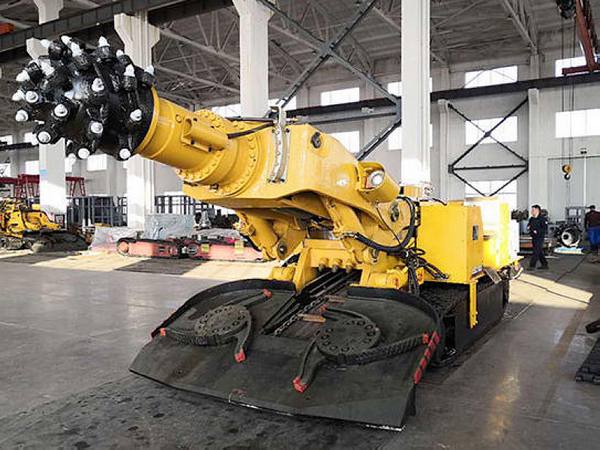
Ⅲ. Cutting Head and Loading System: Prevent Freezing, Maintain Cutting Efficiency
Winter rock debris tends to freeze, degrading tool lubrication conditions. This may increase cutting load and accelerate wear. Prioritize enhanced cleaning, lubrication, and component inspections.
Cleaning and Anti-Adhesion Treatment: Promptly clear residue from the scraper plate and bucket after operation; rinse with water if necessary. Shake frozen rock debris off the scraper plate; never force the conveying mechanism to operate under load.
Wear Part Inspection and Replacement: Regularly inspect wear parts like bucket teeth and edge teeth for damage. Replace immediately when wear reaches replacement standards. Ensure new components fit snugly and are securely fastened; reinforce with welding if needed.
Conveying and Hydraulic Drive Maintenance: Adjust scraper chain tension to ensure proper sag; remove debris from chains and sprockets, applying low-temperature grease. Replace cold-resistant seals in hydraulic drive systems and preheat before startup.
Ⅳ. Travel System: Prevent Jamming, Ensure Drive Stability
The travel system bears the entire machine weight. In winter, tracks are prone to trapping frozen debris, and inadequate lubrication directly compromises travel safety.
Track Cleaning and Tension Adjustment: After operation, clear stones and frozen debris from track plates and frames. Adjust tension promptly if loosening occurs due to metal contraction at low temperatures.
Gearbox and Lubrication Management: Check travel gearbox oil level and quality; replace with 80W-90 low-temperature gear oil if necessary. Apply low-temperature grease to all moving parts to ensure smooth operation.
Drive Component Inspection: Retighten bolts connecting the motor to the gearbox. If startup is delayed or rotational speed is abnormal, inspect motor winding insulation and carbon brush wear.
Ⅴ. Winter Operation and Shutdown Management Recommendations
After starting the equipment, run it unloaded for 10–15 minutes. Wait until the system temperature stabilizes before loading operations. Never start under heavy load directly in low-temperature conditions.
Before startup, confirm adequate oil levels and normal oil quality; inspect for oil or water leaks. Monitor for abnormal noises during operation.
During prolonged shutdowns, perform at least one no-load startup weekly. Fill the oil tank completely to minimize air ingress. Apply rust-preventive grease to exposed metal surfaces and install protective covers.
Mixing oils of different brands or grades is strictly prohibited. In extremely cold regions (e.g., below -20°C), use external preheating devices to warm the hydraulic oil tank during operation. Direct open-flame heating of equipment is prohibited.
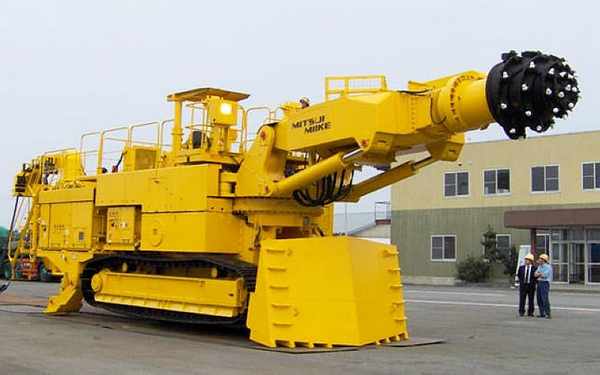
Winter equipment maintenance should adhere to the principle of “prevention first, combined with treatment.” By standardizing operating procedures and implementing safety measures, we can effectively reduce failure rates, ensure continuous and stable operation of the roadheader in low-temperature environments, and provide robust support for winter construction safety and efficiency.



-
 Algeria Customer Visited EONMAC OfficeDecember 03, 2025
 -
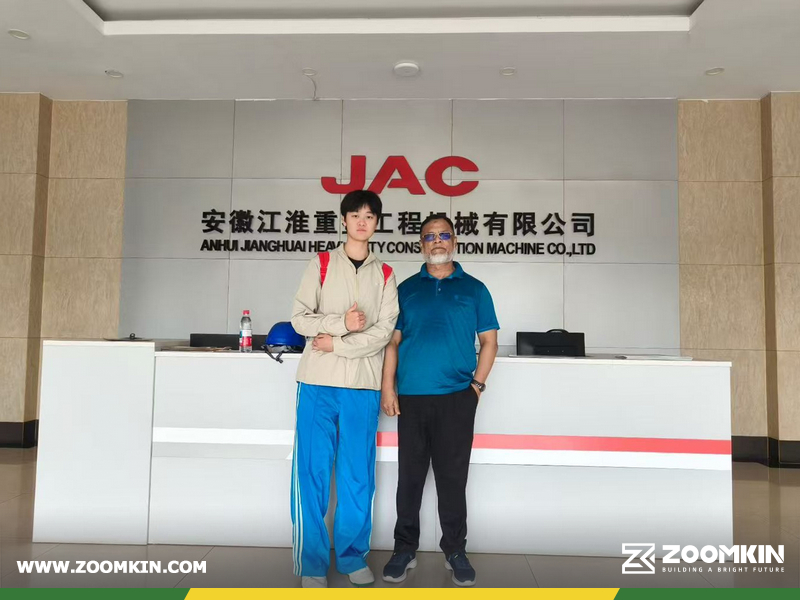 Bangladesh Customer Visited JAC FactoryOctober 11, 2025
 -
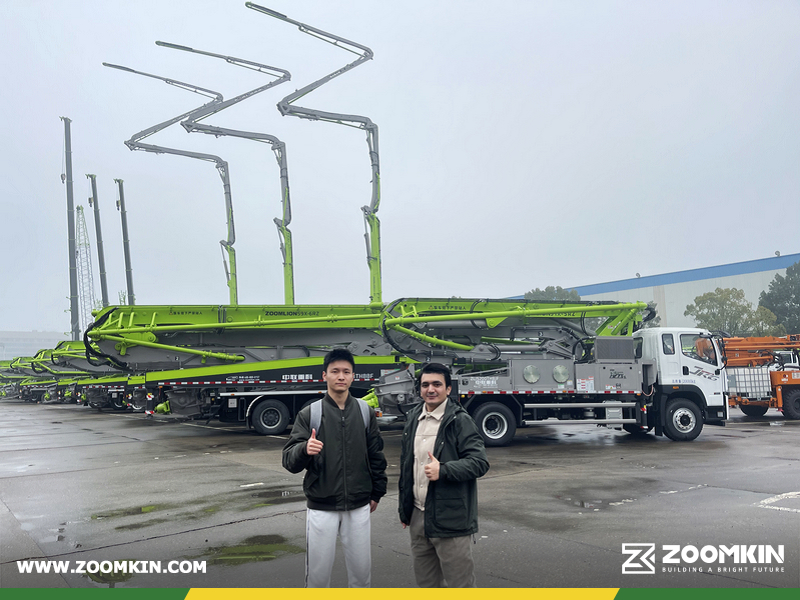 Kyrgyzstan Customer Visited ZOOMLION FactoryJanuary 31, 2024
 -
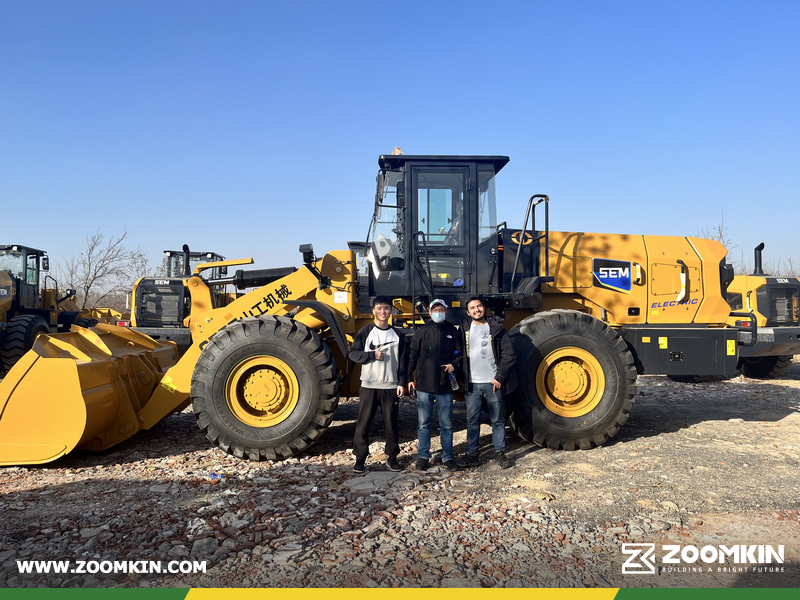 Colombia Customers Visted SEM FactoryDecember 08, 2023
-
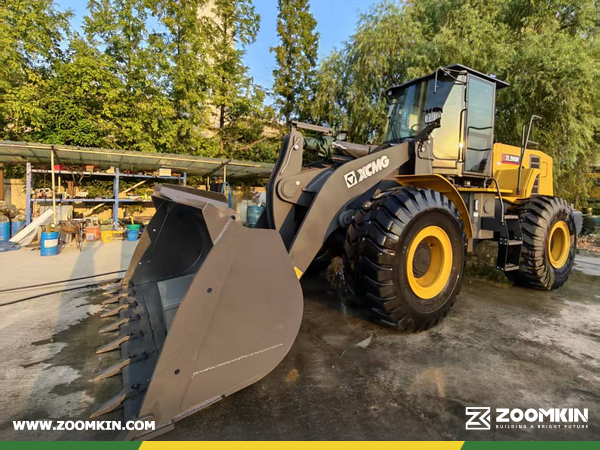 Zimbabwe - 1 Unit XCMG ZL50GN Wheel LoaderSeptember 17, 2026
 -
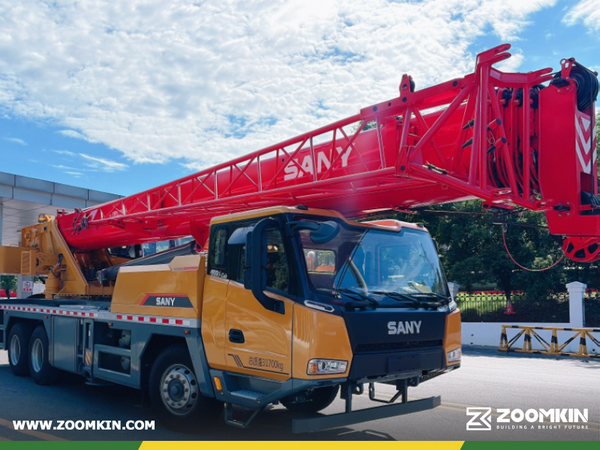 Maldives - 1 Unit SANY STC250C5-8 Truck Crane & 1 Unit XCMG XC6-3007V TelehandlerSeptember 11, 2026
 -
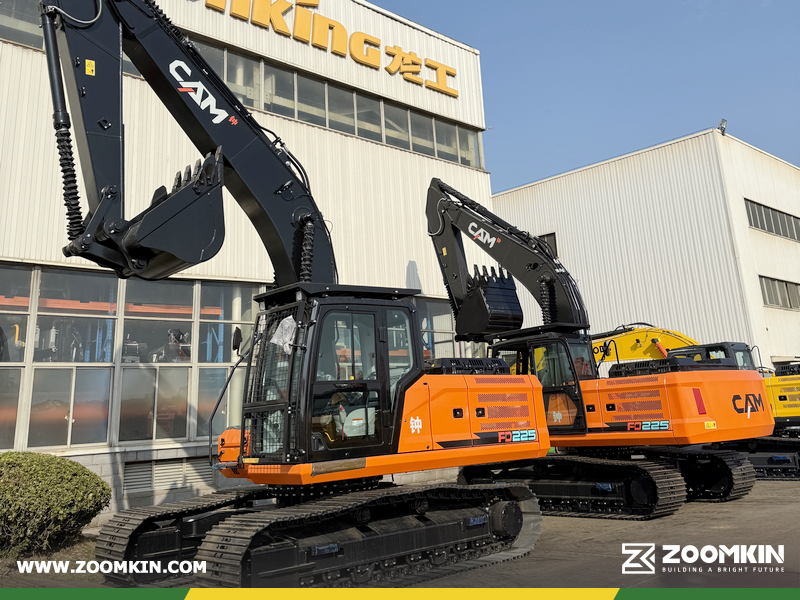 Ecuador - 3 Units LONKING FD225 Crawler ExcavatorDecember 17, 2025
 -
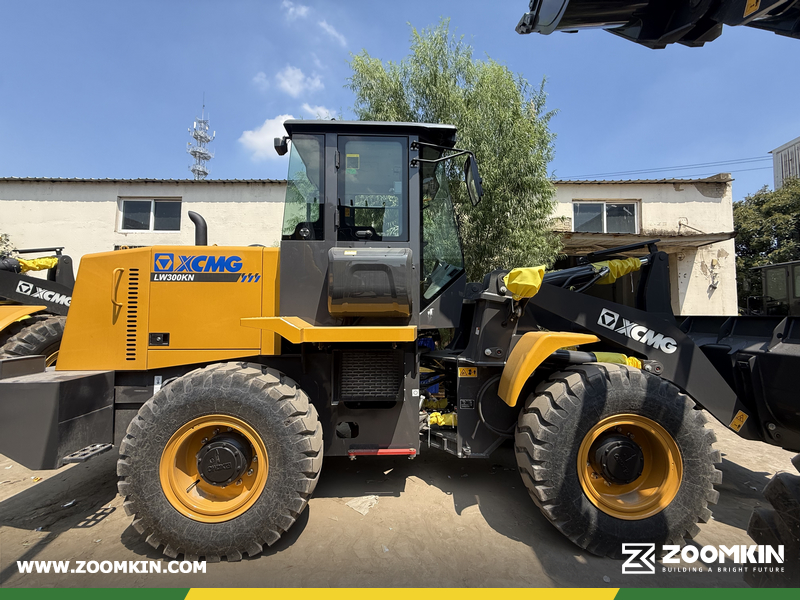 Bangladesh - 1 Unit XCMG LW300KN Wheel LoaderNovember 09, 2025
 -
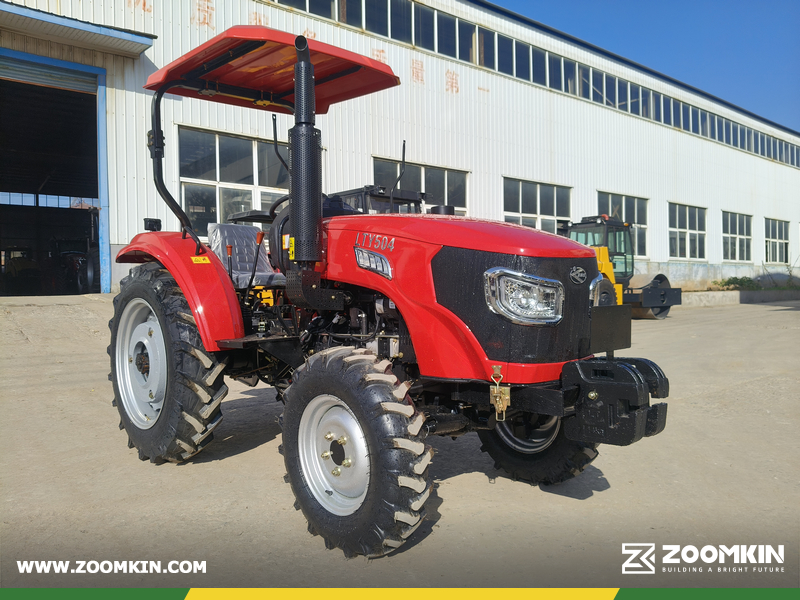 Argentina - 7 Units LUTONG LTY504 Wheel TractorOctober 31, 2025

 +86-592-5535-506
 +86-139-5926-1266
+86-159-5923-7232
 +86-592-5535-506
 Suite 1602, Qinggong Building, No. 366 Hubin South Road, Siming District, Xiamen City, Fujian Province, China