February 28, 2026
 399
399Dump trucks, as the name suggests, are specialized vehicles that unload cargo automatically via hydraulic or mechanical lifting mechanisms, also known as tipper trucks. They primarily consist of a truck chassis, hydraulic lifting system, cargo bed, and power take-off unit. With their efficient and convenient unloading capabilities, dump trucks are widely used in construction projects, mining transportation, and earthmoving operations.
While enhancing transportation efficiency, standardized operation and scientific maintenance are equally crucial. The following provides a systematic overview covering both safe operation and routine maintenance.
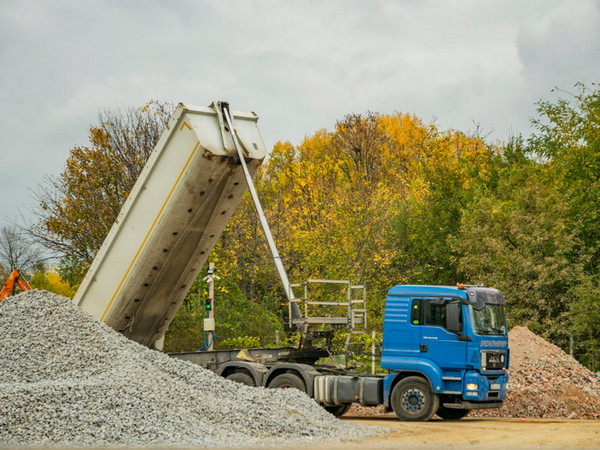
I. Safety Precautions for Operating Dump Trucks
1. Never Lower Suddenly During Lifting
During full-load lifting, never abruptly push the lift handle to the “lower” position. Misoperation will cause the body to plummet rapidly, inflicting severe impact on the chassis and potentially triggering accidents.
If lowering is necessary, operate slowly to ensure smooth descent. Never allow the body to slam to the bottom.
2. Strictly Prohibit “Hard Lift-Hard Brake” Unloading
Unloading by rapidly accelerating then braking generates immense inertial impact forces (up to 5–20 times the rated lifting capacity). This can cause permanent frame deformation, weld cracking, hydraulic system damage, or oil pump burnout. In severe cases, it may lead to rollover accidents.
Therefore, driving while the dump body is raised is strictly prohibited, and impact-based unloading methods must never be used.
3. Disengage the PTO after unloading
Immediately disengage the power take-off (PTO) after completing unloading before driving. If the PTO remains engaged, the oil pump will run at high speed under no load, causing rapid hydraulic oil temperature rise, damaging oil seals, or even burning out the oil pump.
Additionally, sustained pressure in the hydraulic system may cause the cargo bed to automatically lift during driving, posing a major safety hazard.
4. The PTO must not be engaged during vehicle operation.
If the PTO remains engaged (typically indicated by a red light), the oil pump continues to operate, supplying constant power to the hydraulic system. Accidental activation of the control valve could cause the body to lift automatically, severely compromising driving safety. Therefore, always verify the PTO is disengaged before driving.
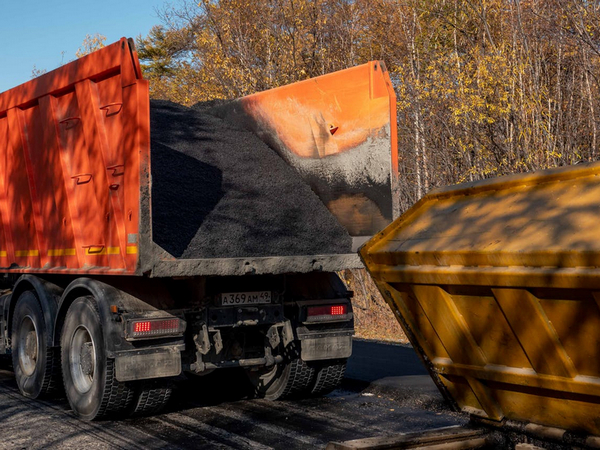
II. Key Points for Daily Inspection and Maintenance of Dump Trucks
To ensure safe and reliable vehicle operation, regular maintenance inspections must be conducted in addition to proper operation.
1. Safety Precautions During Maintenance
When performing maintenance, place the gearshift lever in neutral and implement safety measures such as applying brakes and chocking wheels. If maintenance requires the body to remain raised, reliable support devices must be installed. Never rely solely on the hydraulic system to support the body.
2. Electrical System Inspection
After engine shutdown, observe the ammeter for signs of electrical leakage. Simultaneously verify that all body lift warning devices, indicator lights, and other safety alerts are fully functional and operational.
3. Chassis and Structural Component Inspection
Maintain vehicle cleanliness and verify all bolts are securely fastened. Focus on critical areas such as tires, rims, leaf springs, suspension brackets, and U-bolts for signs of loosening or abnormal wear.
4. Fluid and Line Inspection
Timely replenish lubricating oil, fuel, and hydraulic fluid. Inspect all line connections for leaks to ensure stable system operation.
Dump trucks play a vital role in construction transportation, with their safety and reliability directly impacting project efficiency and personnel security. Adhering to standard operating procedures, avoiding improper maneuvers, and maintaining regular inspections and maintenance are key to extending vehicle lifespan and reducing failure rates.
Through scientific management and meticulous upkeep, equipment operational stability can be significantly enhanced, providing safer and more efficient transportation support for diverse engineering projects.



-
 Algeria Customer Visited EONMAC OfficeDecember 03, 2025
 -
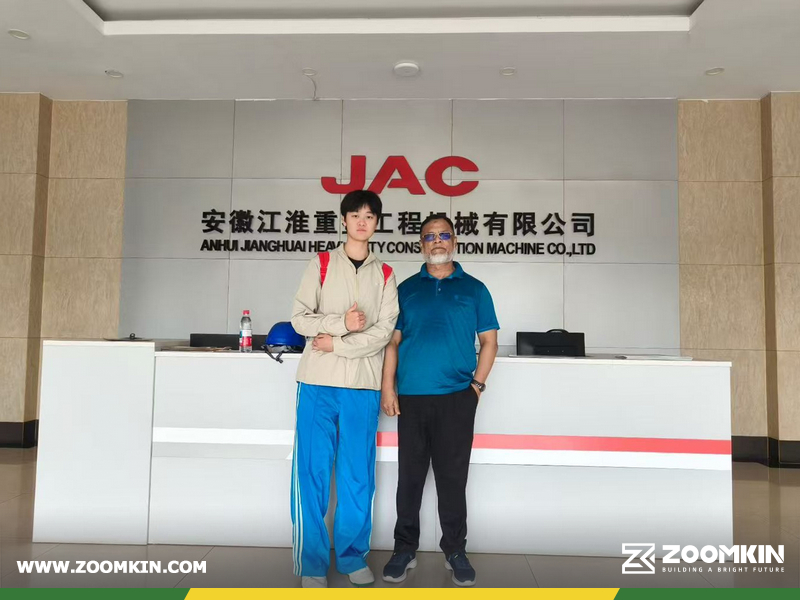 Bangladesh Customer Visited JAC FactoryOctober 11, 2025
 -
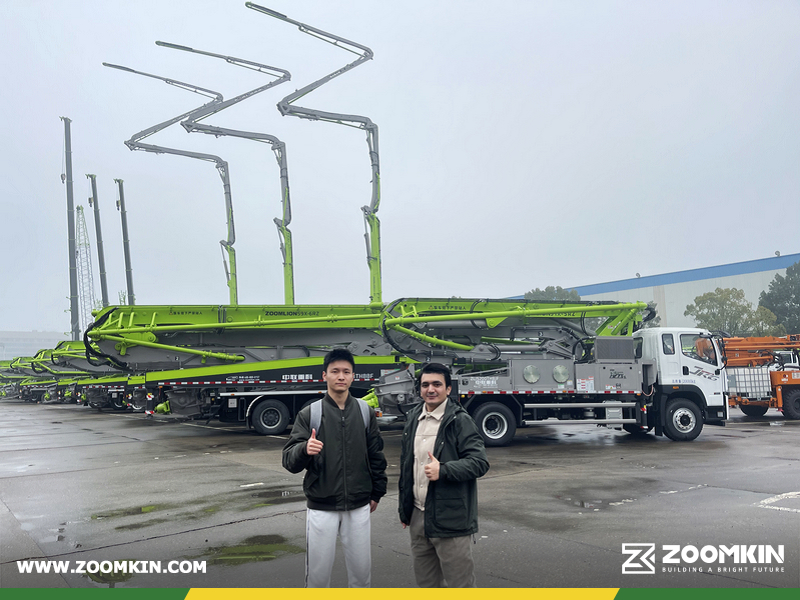 Kyrgyzstan Customer Visited ZOOMLION FactoryJanuary 31, 2024
 -
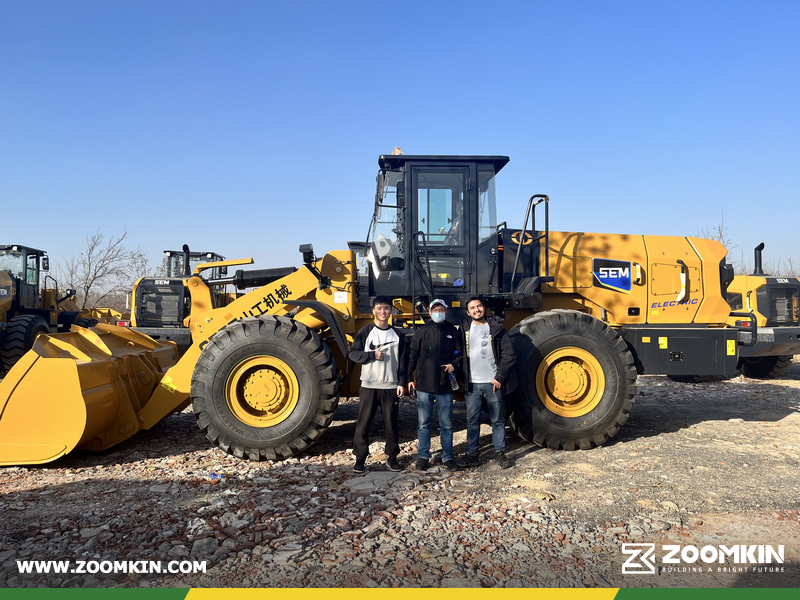 Colombia Customers Visted SEM FactoryDecember 08, 2023
-
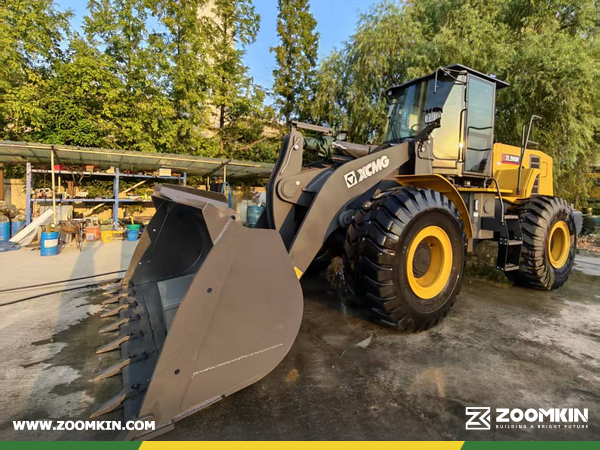 Zimbabwe - 1 Unit XCMG ZL50GN Wheel LoaderSeptember 17, 2026
 -
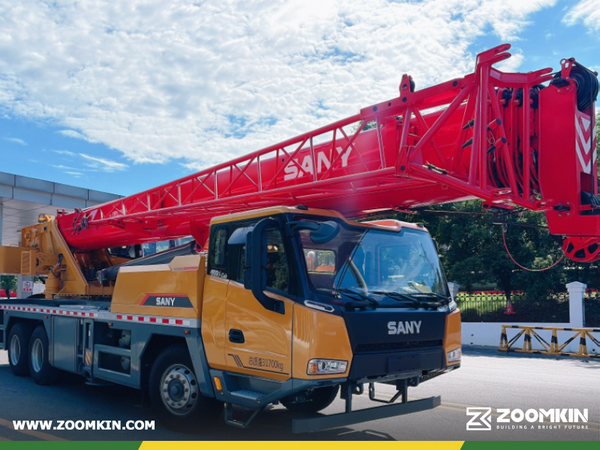 Maldives - 1 Unit SANY STC250C5-8 Truck Crane & 1 Unit XCMG XC6-3007V TelehandlerSeptember 11, 2026
 -
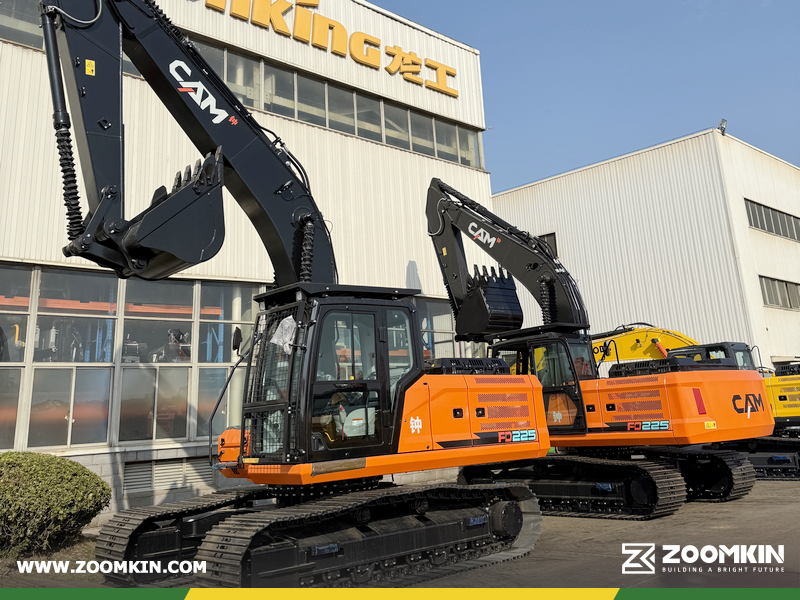 Ecuador - 3 Units LONKING FD225 Crawler ExcavatorDecember 17, 2025
 -
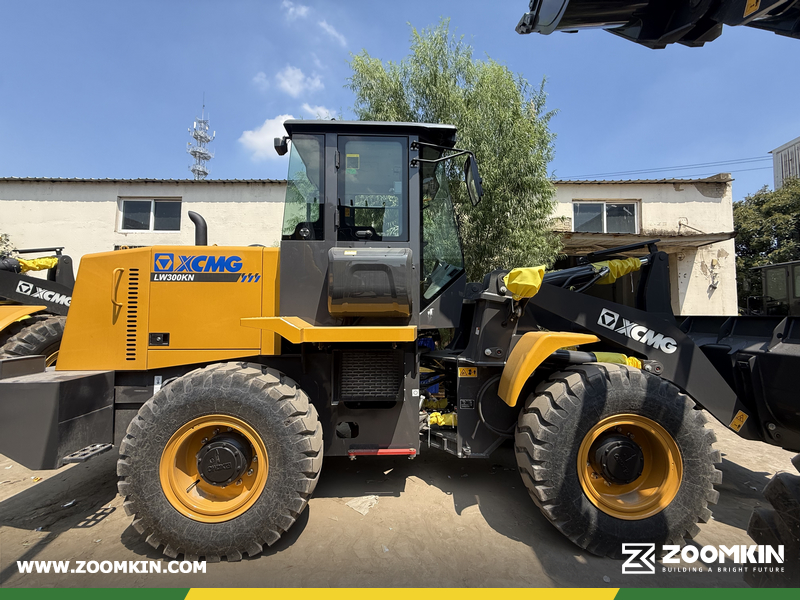 Bangladesh - 1 Unit XCMG LW300KN Wheel LoaderNovember 09, 2025
 -
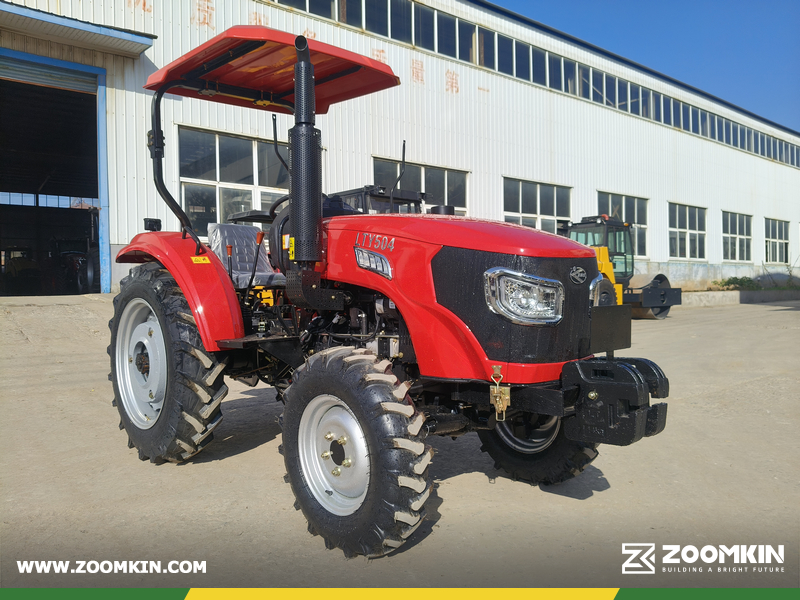 Argentina - 7 Units LUTONG LTY504 Wheel TractorOctober 31, 2025

 +86-592-5535-506
 +86-139-5926-1266
+86-159-5923-7232
 +86-592-5535-506
 Suite 1602, Qinggong Building, No. 366 Hubin South Road, Siming District, Xiamen City, Fujian Province, China