September 08, 2026
 156
156Excavators are widely used in construction, earthmoving, road construction, and infrastructure projects. Different operating environments impose varying requirements on equipment operation. Mastering the correct operating methods and adjusting work procedures based on on-site conditions helps improve construction efficiency, reduce equipment wear, and ensure operational safety.
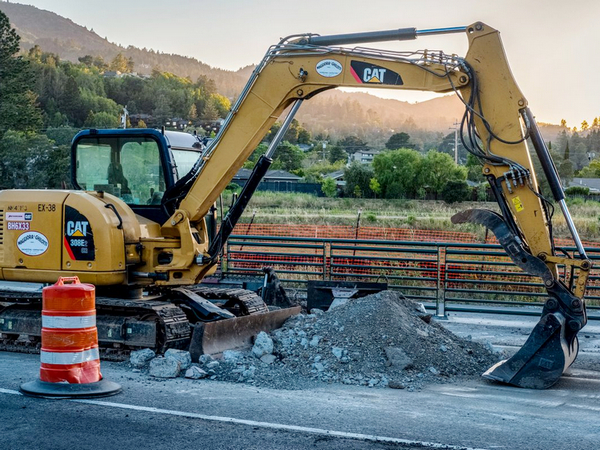
1. Mastering Basic Excavator Operating Techniques
When operating an excavator, movements should be kept smooth. Rapid or abrupt movements increase the load on the hydraulic system and structural components and can also affect operational precision.
When operating the boom, stick, and bucket, control the speed of movements appropriately based on actual operational needs. During digging, lifting, and unloading, minimizing unnecessary movements can improve operational efficiency.
When lifting heavy loads, pay attention to the machine’s stability, control the load according to actual working conditions, and strictly avoid exceeding the machine’s specified working range.
2. Adjusting Operating Methods Based on Different Terrain
Muddy and Wet Ground
Soft, wet ground can easily cause the machine to sink or slip. Before starting work, check the ground’s load-bearing capacity and select an appropriate work location.
When conditions permit, wider tracks can increase the contact area with the ground and improve the machine’s stability on soft ground. During operation, control the speed of movements to prevent the machine from getting stuck in the mud.
Rocky and Uneven Ground
When operating on rocky or steep terrain, prioritize ensuring the equipment’s stability. Park the equipment on level ground whenever possible, and keep it away from hazardous areas such as loose rocks and trenches.
For conditions involving hard rock, select an appropriate bucket or attachment based on operational requirements. Control the speed of movements during operation to avoid excessive impact, which can place additional strain on the working equipment and hydraulic system.
Urban and Confined Areas
Construction space in urban areas is typically limited, with surrounding buildings, vehicles, pedestrians, and underground and overhead utilities. Before beginning work, familiarize yourself with the construction site and confirm the locations of underground pipelines and other utilities.
When working in confined spaces, plan travel and swing paths in advance and control the machine’s swing radius. In situations with limited visibility, assign a dedicated person to direct and monitor operations to reduce the risk of collisions.
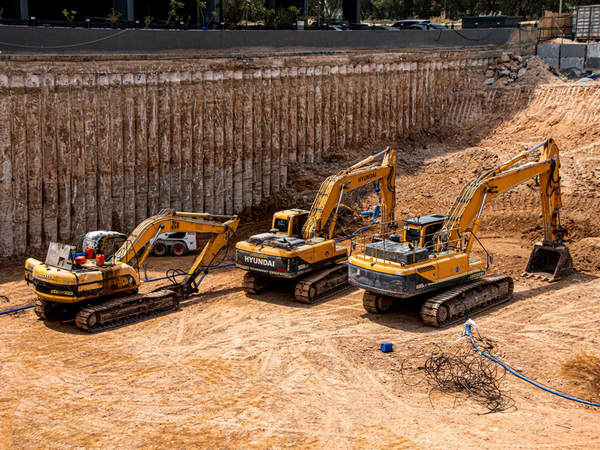
3. Enhancing Safe Operation
Operators must undergo professional training and be familiar with the excavator’s controls and safety operating requirements.
Before starting the equipment, conduct a daily inspection, focusing on the hydraulic system, engine, tracks, work equipment, and connecting components to ensure there are no obvious leaks, loose parts, or abnormal wear.
During operation, continuously monitor the surrounding environment, especially when rotating, reversing, or working in confined spaces. When visibility cannot be guaranteed, use a signal person to assist with operation. Additionally, use safety belts correctly, and prohibit personnel from entering the hazardous work zone.
4. Perform Routine Maintenance
Proper maintenance can reduce equipment failures and ensure stable operation of the excavator.
Lubricate moving parts such as the boom, stick, and bucket in accordance with equipment maintenance requirements to reduce friction and wear at connection points. Also, regularly check the hydraulic oil level, oil condition, and whether there are any leaks in the lines and fittings.
In addition, inspect the tracks, drive components, and other undercarriage parts for wear. When operating in harsh environments such as rocky or muddy terrain, increase the frequency of inspections as appropriate.
Excavators must operate in a variety of environments, including muddy terrain, rocky conditions, uneven ground, and confined urban spaces. Mastering proper operating techniques and adjusting work methods based on site conditions are crucial measures for improving construction efficiency and ensuring equipment safety.
Through standardized operation, regular inspections, and scientific maintenance, equipment wear and the risk of malfunctions can be reduced, extending the excavator’s service life and providing reliable equipment support for construction projects.



-
 Algeria Customer Visited EONMAC OfficeDecember 03, 2025
 -
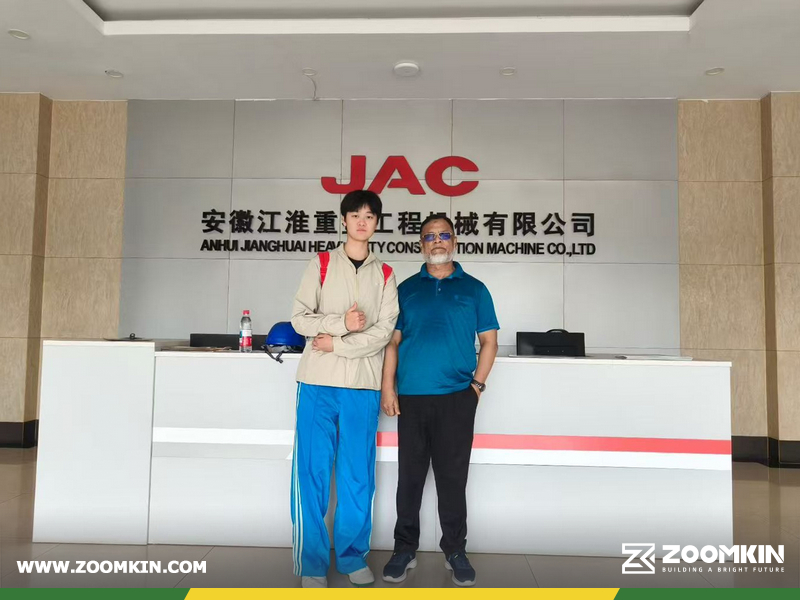 Bangladesh Customer Visited JAC FactoryOctober 11, 2025
 -
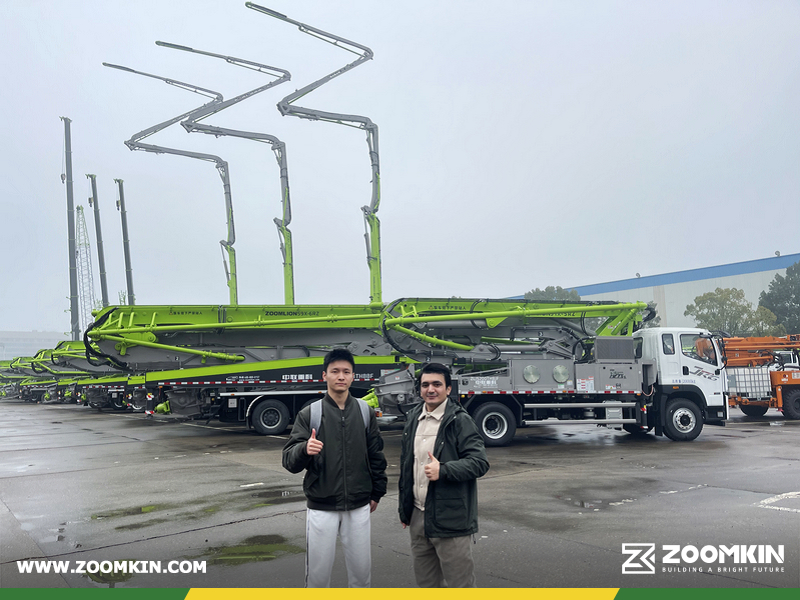 Kyrgyzstan Customer Visited ZOOMLION FactoryJanuary 31, 2024
 -
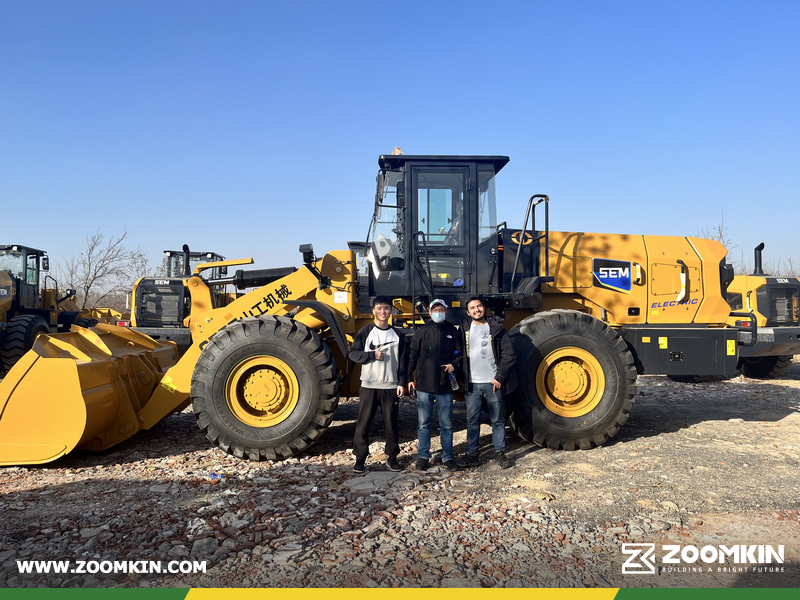 Colombia Customers Visted SEM FactoryDecember 08, 2023
-
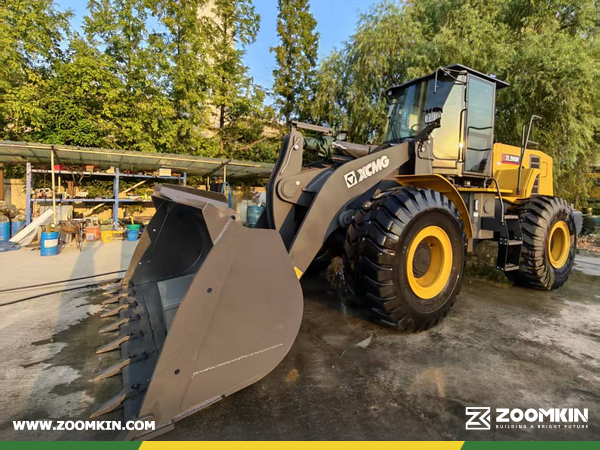 Zimbabwe - 1 Unit XCMG ZL50GN Wheel LoaderSeptember 17, 2026
 -
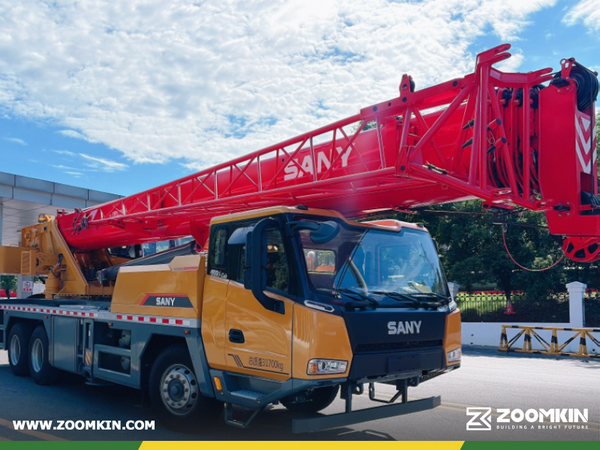 Maldives - 1 Unit SANY STC250C5-8 Truck Crane & 1 Unit XCMG XC6-3007V TelehandlerSeptember 11, 2026
 -
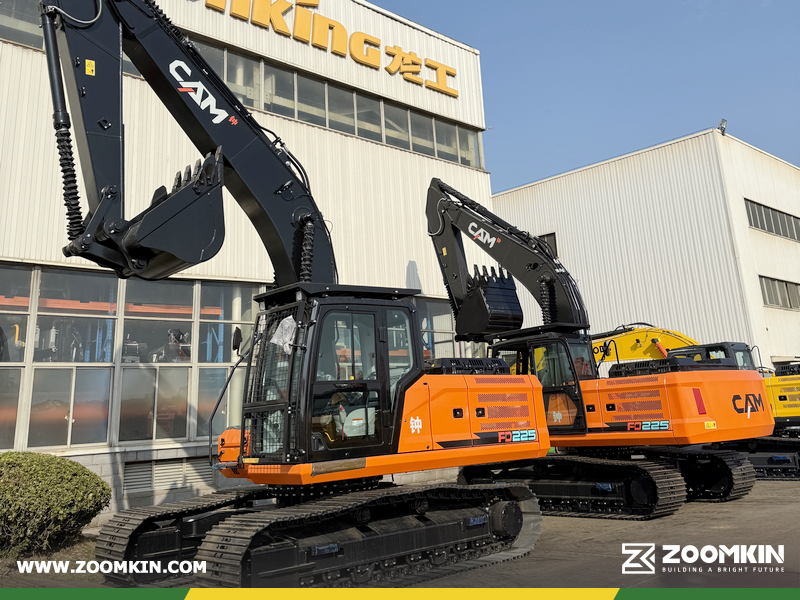 Ecuador - 3 Units LONKING FD225 Crawler ExcavatorDecember 17, 2025
 -
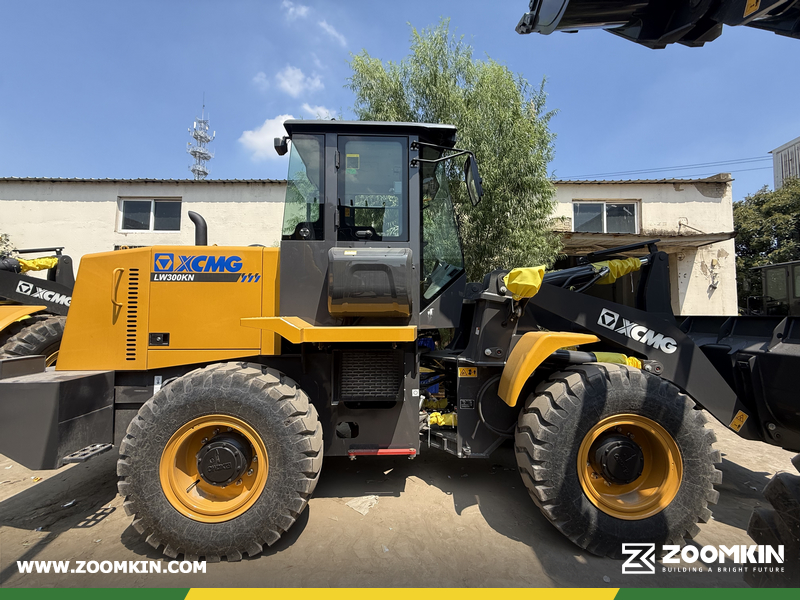 Bangladesh - 1 Unit XCMG LW300KN Wheel LoaderNovember 09, 2025
 -
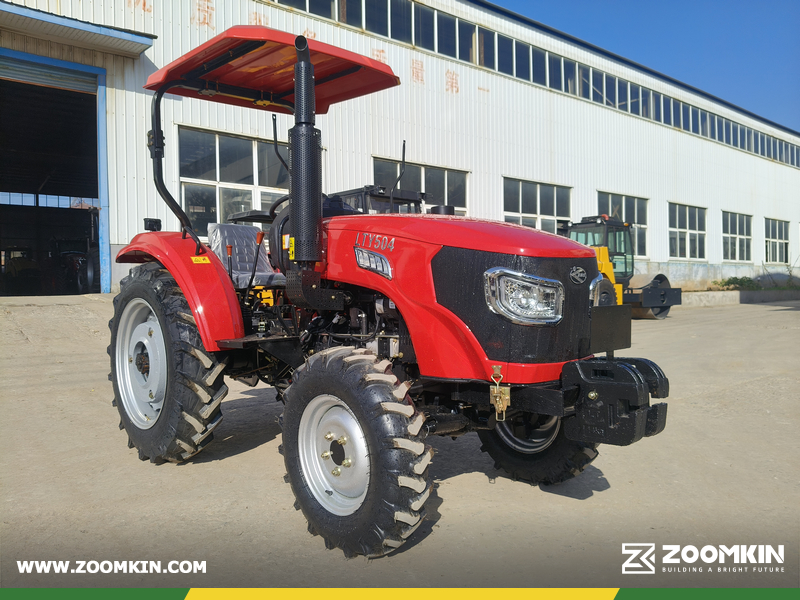 Argentina - 7 Units LUTONG LTY504 Wheel TractorOctober 31, 2025

 +86-592-5535-506
 +86-139-5926-1266
+86-159-5923-7232
 +86-592-5535-506
 Suite 1602, Qinggong Building, No. 366 Hubin South Road, Siming District, Xiamen City, Fujian Province, China