August 19, 2026
 305
305The clutch release bearing is a critical component of a forklift’s clutch system. It operates at a high frequency and is prone to wear after prolonged use. Insufficient lubrication or improper maintenance not only shortens the bearing’s service life but may also lead to damage to related components, such as the release lever and clutch plates.
Therefore, proper lubrication and inspection of the release bearing are essential measures for reducing clutch failure rates.
Why Are Release Bearings Prone to Damage?
Release bearings typically operate in high-temperature, high-speed environments. Heat generated by the engine is transferred to the clutch area, and the high-speed rotation of the bearing itself generates additional heat. Under these conditions, standard engine oil tends to drain away and cannot be retained inside the bearing for extended periods.
If the bearing remains under-lubricated for an extended period, internal friction increases, leading to further temperature rise and component wear. This can ultimately result in abnormal noises, rough operation, or even bearing failure.
Therefore, simply adding engine oil frequently does not fundamentally solve the lubrication problem. In contrast, using the appropriate grease allows it to remain inside the bearing for a longer period, providing more stable lubrication and protection.
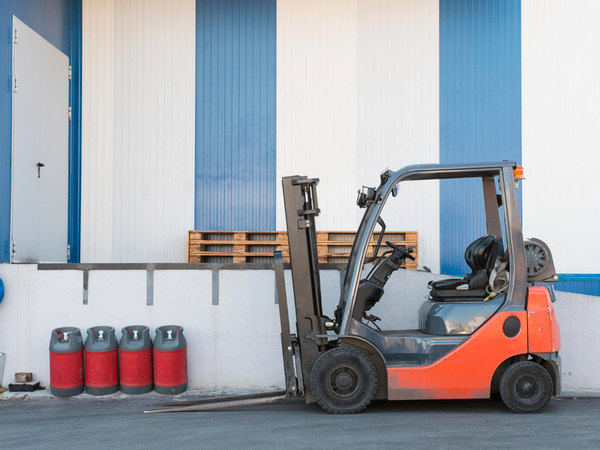
How to Lubricate Without Disassembling the Engine?
Without disassembling the engine, you can first open the clutch cover to inspect the wear on the release bearing. After confirming that the bearing is undamaged and the wear is within the specified limits, proceed with lubrication.
First, remove the clutch pedal and adjust the associated linkage to retract the release bearing and bearing housing to the proper position. Then, using a needle-nose grease gun, slowly inject grease through the grease fitting on the bearing housing.
When a small amount of grease begins to ooze out around the bearing, gently rotate the bearing and continue adding grease. Repeat this process until a small amount of grease oozes out all around the bearing. Then rotate the bearing to check its operation and confirm that the grease has fully penetrated the bearing.
After lubrication is complete, remove any excess grease from around the bearing housing and reinstall the removed components.
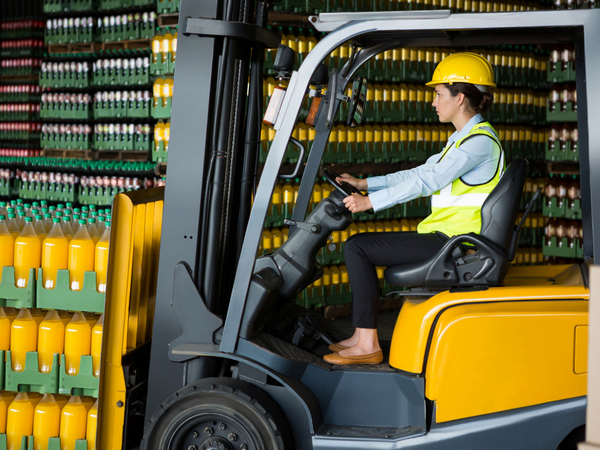
How to Lubricate When the Engine Is Disassembled?
If the engine is already disassembled for repair, the clutch bearing can be inspected and lubricated directly.
Once the clutch bearing and bearing housing are exposed, use a needle-nose grease gun to inject grease into the grease fitting located below the inner ring of the bearing housing. Slowly rotate the bearing during the lubrication process to ensure the grease is distributed evenly throughout the bearing.
Stop applying grease once a small amount of grease is oozing out all around the bearing, and wipe away any excess grease. If the bearing shows obvious wear, abnormal rotation, or other damage, it should be replaced promptly rather than attempting to extend its service life by adding more grease.
Proper Lubrication Reduces Clutch Failures
Maintenance of forklift release bearings focuses on proper lubrication methods and regular inspections. In high-temperature, high-speed operating environments, the appropriate use of grease can improve bearing lubrication conditions and reduce friction and wear.
At the same time, avoid over-lubricating during maintenance, and conduct inspections and maintenance in accordance with the equipment manufacturer’s guidelines. Bearings that have reached their wear limit should be replaced promptly.
Through proper lubrication and maintenance, you can effectively reduce the risk of failure in release bearings and related clutch components, improve forklift operational reliability, and extend the service life of key components.



-
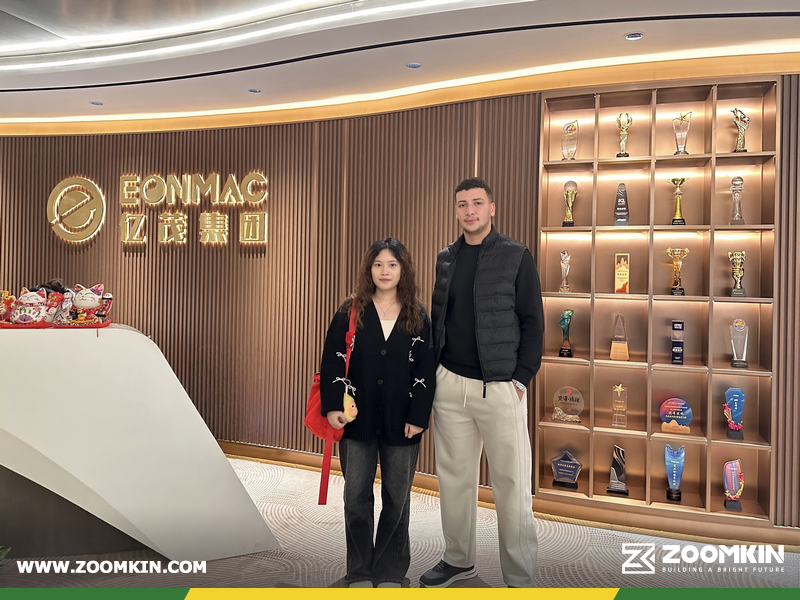 Algeria Customer Visited EONMAC OfficeDecember 03, 2025
 -
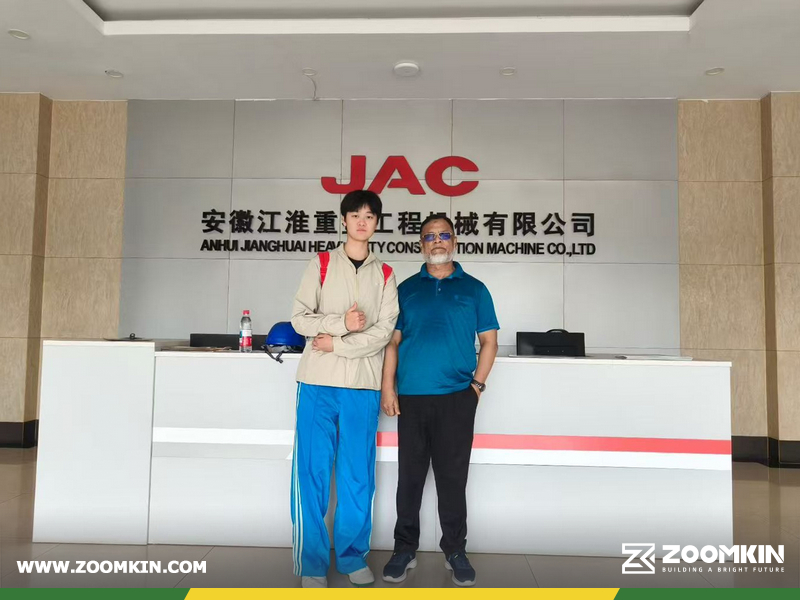 Bangladesh Customer Visited JAC FactoryOctober 11, 2025
 -
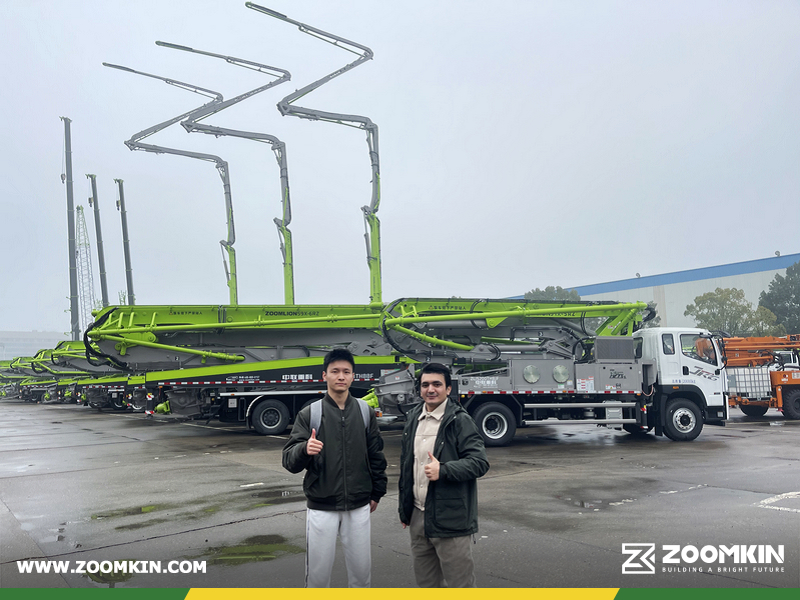 Kyrgyzstan Customer Visited ZOOMLION FactoryJanuary 31, 2024
 -
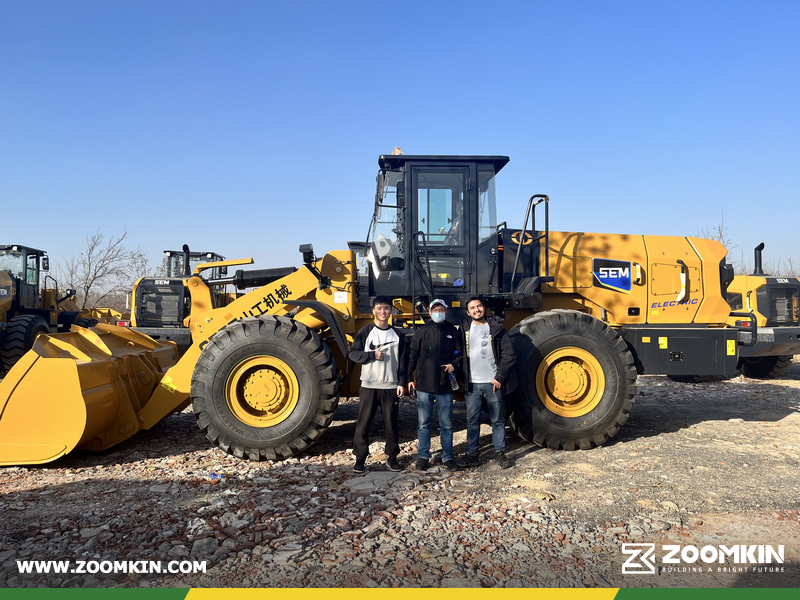 Colombia Customers Visted SEM FactoryDecember 08, 2023
-
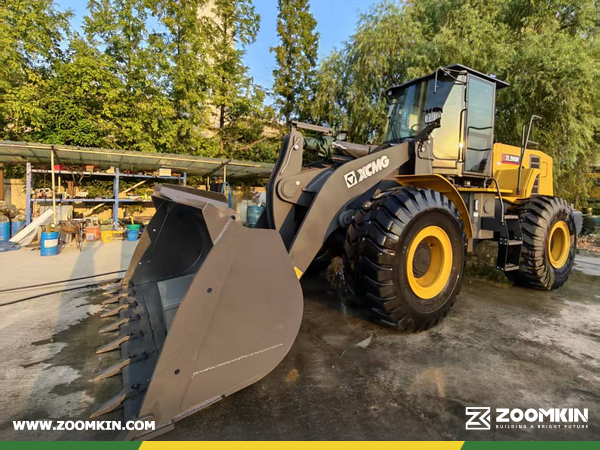 Zimbabwe - 1 Unit XCMG ZL50GN Wheel LoaderSeptember 17, 2026
 -
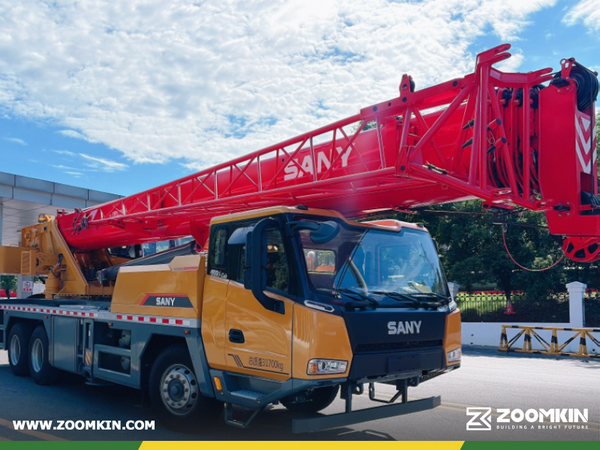 Maldives - 1 Unit SANY STC250C5-8 Truck Crane & 1 Unit XCMG XC6-3007V TelehandlerSeptember 11, 2026
 -
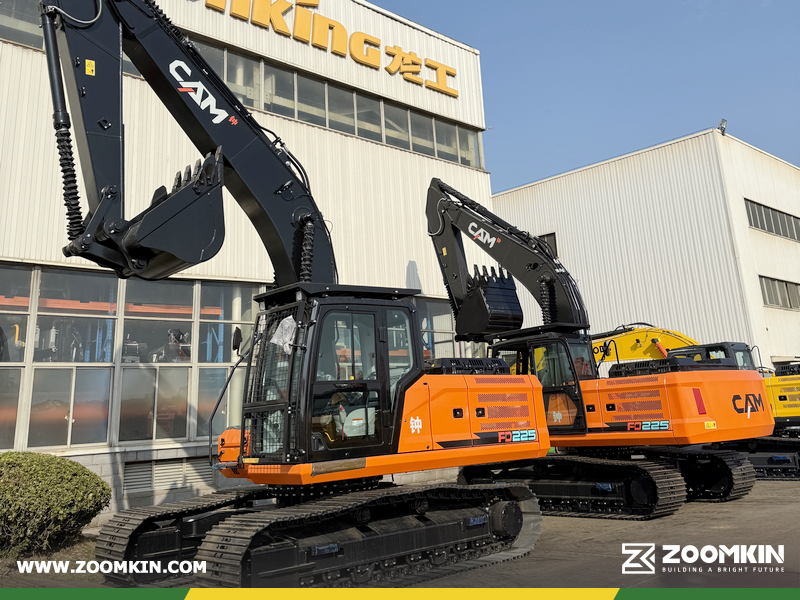 Ecuador - 3 Units LONKING FD225 Crawler ExcavatorDecember 17, 2025
 -
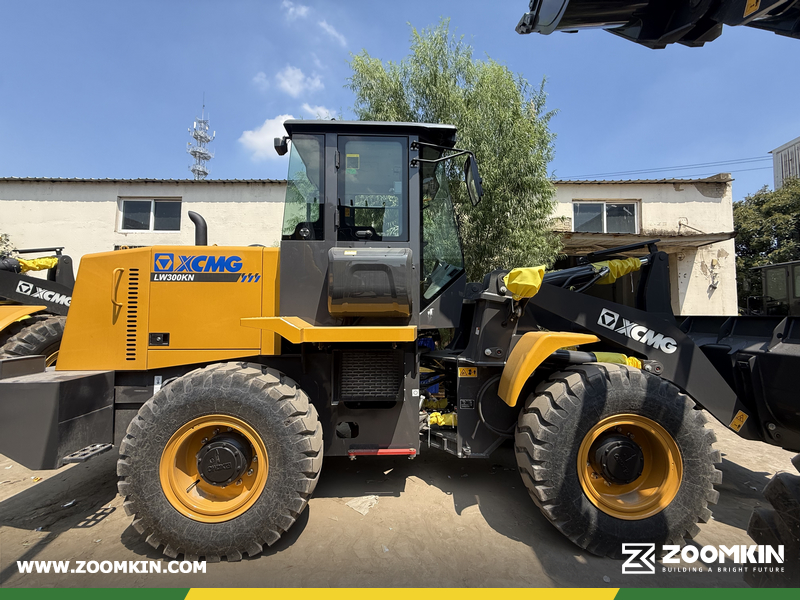 Bangladesh - 1 Unit XCMG LW300KN Wheel LoaderNovember 09, 2025
 -
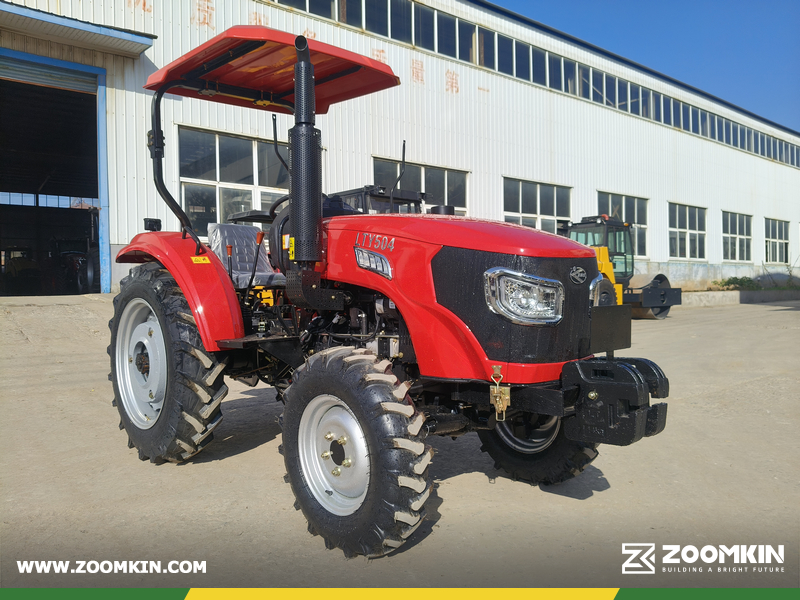 Argentina - 7 Units LUTONG LTY504 Wheel TractorOctober 31, 2025

 +86-592-5535-506
 +86-139-5926-1266
+86-159-5923-7232
 +86-592-5535-506
 Suite 1602, Qinggong Building, No. 366 Hubin South Road, Siming District, Xiamen City, Fujian Province, China