July 28, 2026
 273
273As a critical piece of equipment in concrete construction, the operational condition of a concrete pump truck directly affects construction efficiency and project quality. Prolonged heavy-duty operation can easily lead to wear and tear on the hydraulic system, pumping mechanism, and transmission components. Therefore, establishing a scientific maintenance regimen not only reduces equipment failures but also extends the service life of the entire machine and lowers operating costs.
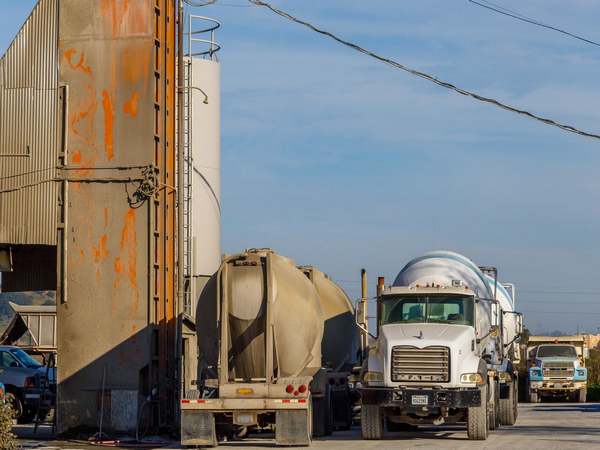
Conduct Daily Inspections
Daily maintenance is the first step in ensuring the normal operation of a concrete pump truck. Before each operation, inspect the pumping mechanism, hydraulic system, lubrication system, and all connecting components to verify they are in proper working order, and promptly identify issues such as oil leaks, loose parts, or abnormal wear.
After completing pumping operations, promptly clean the hopper, delivery lines, and water tank to prevent concrete residue from hardening and causing blockages or accelerating component wear. At the same time, keep the interior of the water tank clean and regularly inspect the operational status of key components—such as the concrete cylinder, piston, and S-tube—to ensure the pumping system runs smoothly.
In addition, the mixing and lubrication systems should be kept adequately lubricated. Regularly check grease levels and the operation of the distribution system to prevent equipment performance issues caused by insufficient lubrication.
Regular Maintenance of Key Systems
In addition to daily inspections, comprehensive maintenance should be performed on the engine, hydraulic system, transmission system, and electrical system in accordance with the equipment’s maintenance schedule.
For the engine, the engine oil, oil filter, fuel filter, and air filter should be replaced regularly, and the coolant level should be checked to ensure the power system remains in good working condition at all times.
As the core component of the concrete pump truck, the hydraulic system requires regular checks of the hydraulic fluid level and quality. Replace the hydraulic fluid and filters promptly, and inspect the oil pump, cylinders, hydraulic valve assemblies, and all hydraulic hoses for leaks or wear to ensure the system operates stably and reliably.
For transmission components such as the reduction gearbox and transfer case, lubricating oil should be changed according to the specified intervals, and connecting bolts should be checked periodically for looseness to ensure efficient power transmission and safe equipment operation.
Focus on Maintenance of Wear-Prone Parts
During prolonged pumping operations, components such as the cutting ring, wear plate, delivery cylinder piston, and S-tube are subject to high wear. These parts should be inspected regularly for wear, and repaired or replaced promptly based on actual usage conditions to prevent any impact on pumping efficiency.
Additionally, the radiator should be kept clean by promptly removing dust and oil residue to ensure effective engine cooling; Regularly checking tire pressure and the condition of the entire chassis also helps improve the equipment’s driving safety and overall reliability.
Establish a Standardized Maintenance Management System
Standardized maintenance management can effectively reduce equipment failures and unplanned downtime. It is recommended to perform maintenance according to the manufacturer’s recommended service intervals, use lubricants, hydraulic fluids, and parts that meet specifications, and maintain complete maintenance records to facilitate tracking of equipment operating status and the development of future maintenance plans.
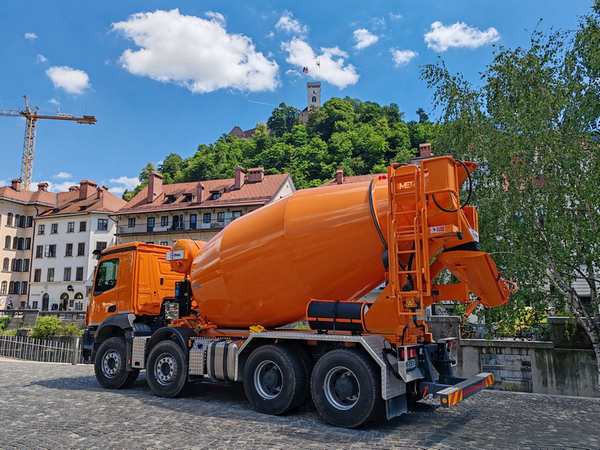
The efficient operation of concrete pump trucks relies on scientific and standardized maintenance. By adhering to daily inspections, strengthening maintenance of critical systems, promptly replacing wear-prone parts, and establishing a comprehensive maintenance system, you can effectively reduce equipment failure rates, extend service life, improve construction efficiency, and provide a reliable guarantee for the smooth progress of engineering projects.



-
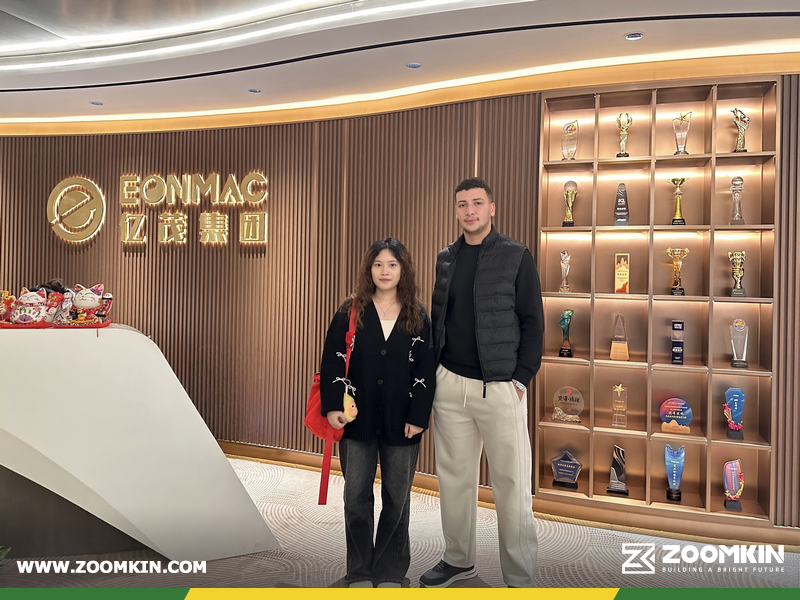 Algeria Customer Visited EONMAC OfficeDecember 03, 2025
 -
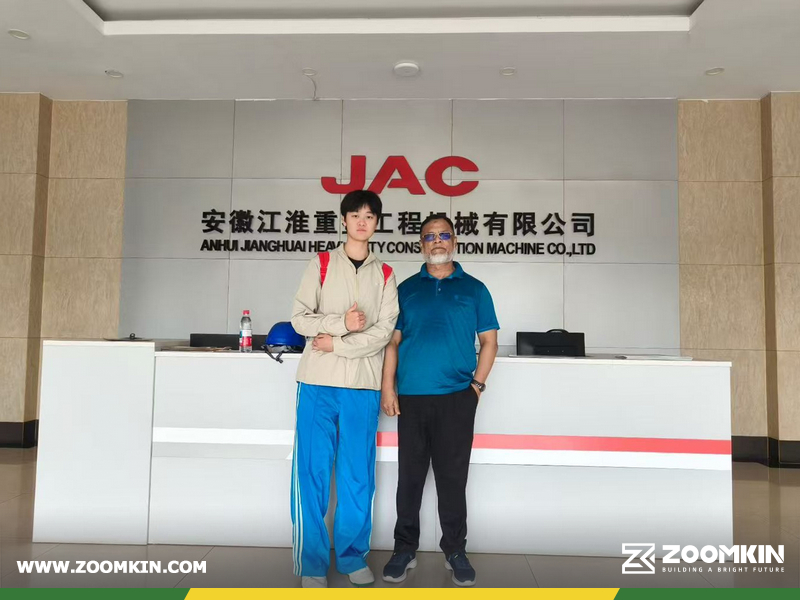 Bangladesh Customer Visited JAC FactoryOctober 11, 2025
 -
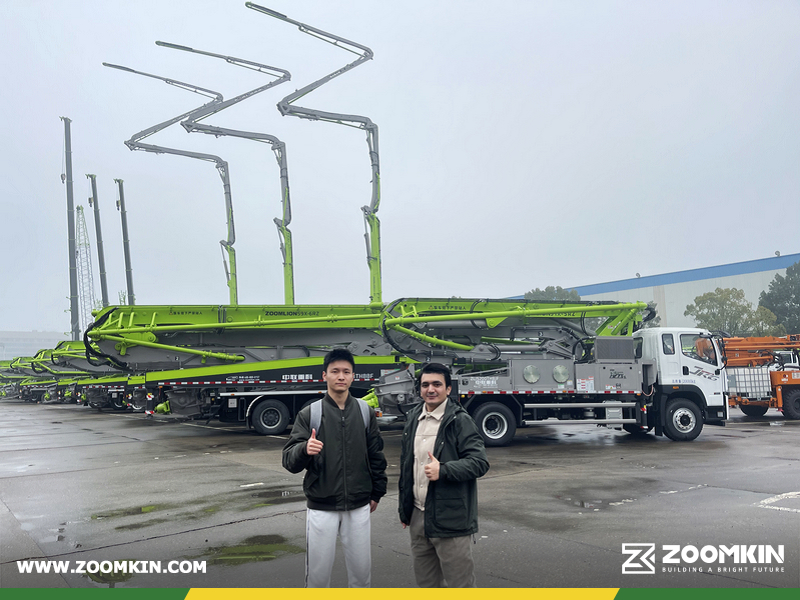 Kyrgyzstan Customer Visited ZOOMLION FactoryJanuary 31, 2024
 -
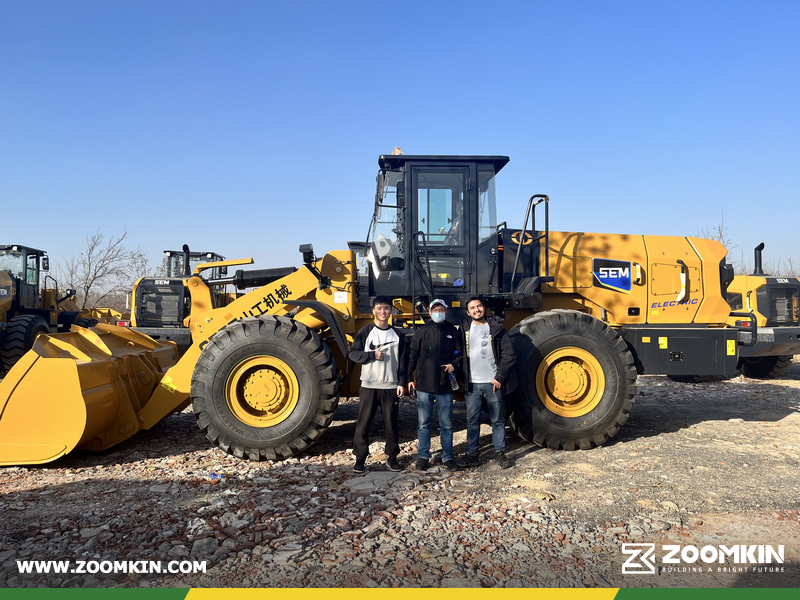 Colombia Customers Visted SEM FactoryDecember 08, 2023
-
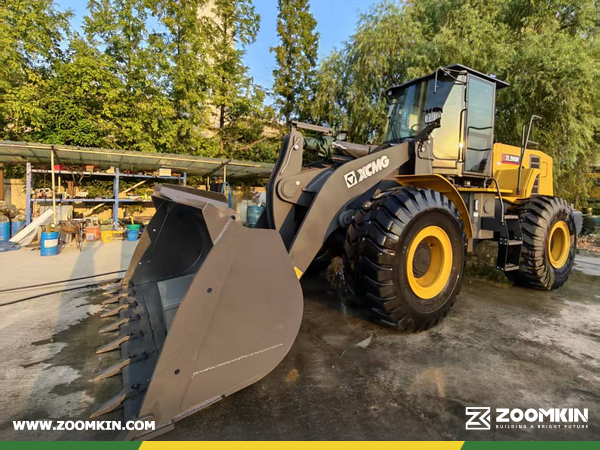 Zimbabwe - 1 Unit XCMG ZL50GN Wheel LoaderSeptember 17, 2026
 -
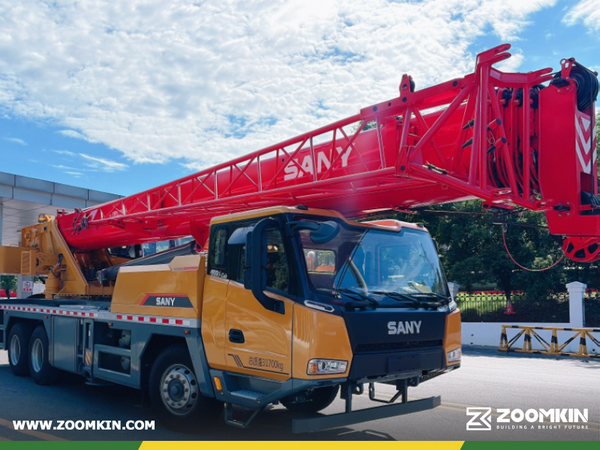 Maldives - 1 Unit SANY STC250C5-8 Truck Crane & 1 Unit XCMG XC6-3007V TelehandlerSeptember 11, 2026
 -
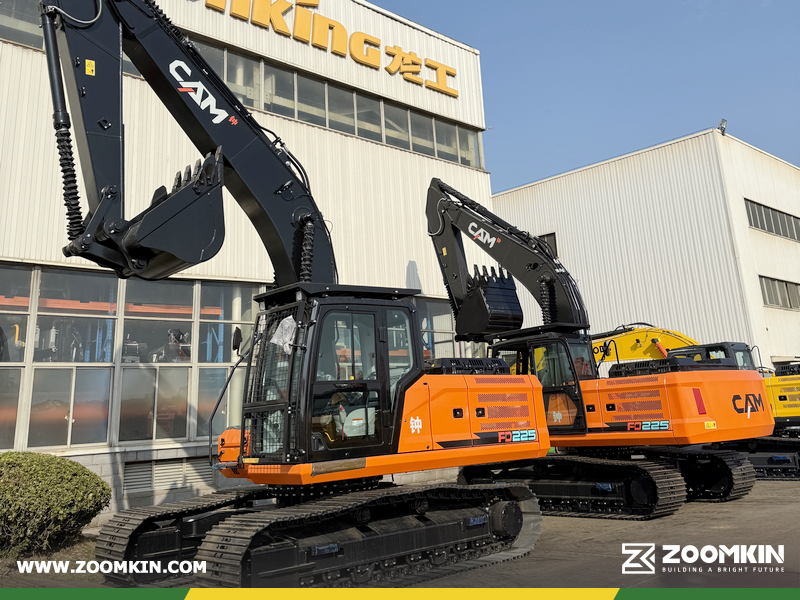 Ecuador - 3 Units LONKING FD225 Crawler ExcavatorDecember 17, 2025
 -
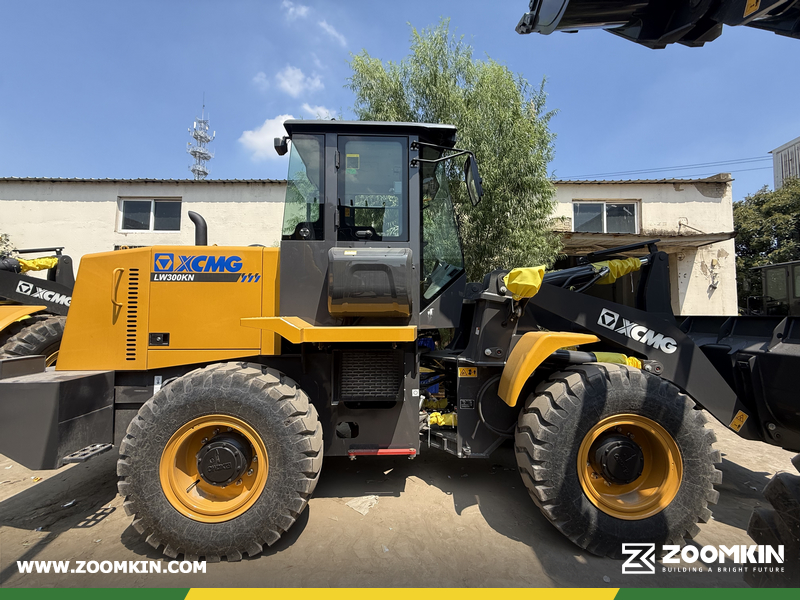 Bangladesh - 1 Unit XCMG LW300KN Wheel LoaderNovember 09, 2025
 -
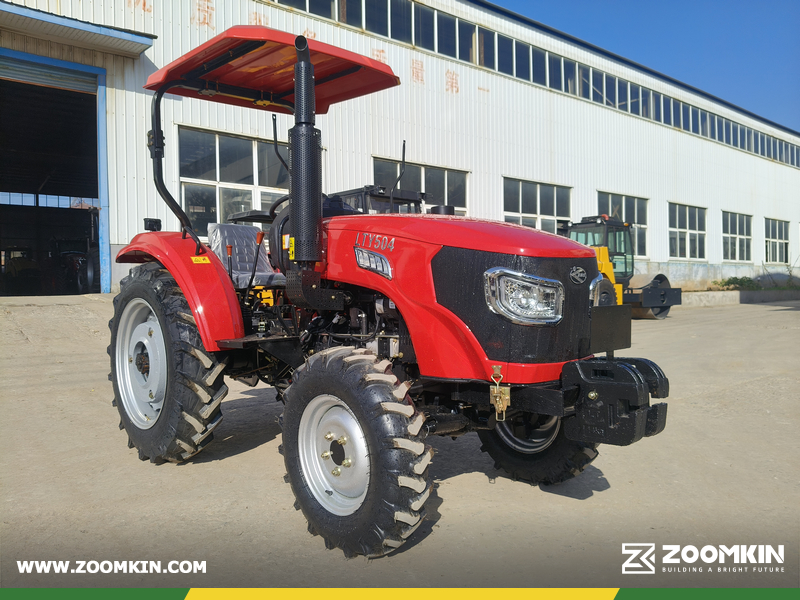 Argentina - 7 Units LUTONG LTY504 Wheel TractorOctober 31, 2025

 +86-592-5535-506
 +86-139-5926-1266
+86-159-5923-7232
 +86-592-5535-506
 Suite 1602, Qinggong Building, No. 366 Hubin South Road, Siming District, Xiamen City, Fujian Province, China