June 26, 2026
 390
390Hot weather increases the workload on construction machinery engines, placing greater demands on the cooling, lubrication, and intake systems. Inadequate maintenance can easily lead to engine overheating, reduced power, increased fuel consumption, and even unexpected downtime.
For construction machinery equipped with CAT engines, developing a scientific summer maintenance plan not only ensures stable equipment operation but also extends engine service life, reduces repair costs, and improves overall operational efficiency.
Why Is Engine Maintenance So Important?
CAT engines are widely used in construction, mining, agriculture, and other heavy-duty applications. They deliver stable and reliable power output while meeting emissions standards in various countries and regions.
Conducting regular preventive maintenance helps equipment achieve the following goals:
· Extend the service life of the engine and key components
· Improve fuel efficiency and reduce operating costs
· Minimize sudden failures and unplanned downtime
· Maintain optimal equipment power performance
· Meet emissions standards and reduce environmental impact
Key Points for Summer Engine Maintenance
Regularly Inspect the Cooling System
The cooling system is essential for preventing engine overheating and primarily consists of components such as the radiator, coolant, hoses, belts, and cooling fan.
During the summer, pay special attention to the following:
· Whether the coolant level is normal
· Whether the hoses show signs of aging, cracks, or leaks
· Whether the radiator is clogged
· Whether the fan and drive belts are functioning properly
When topping off coolant, use the product recommended by the equipment manufacturer and mix it with distilled water according to the specified ratio. Avoid using tap water to minimize scale buildup and corrosion.
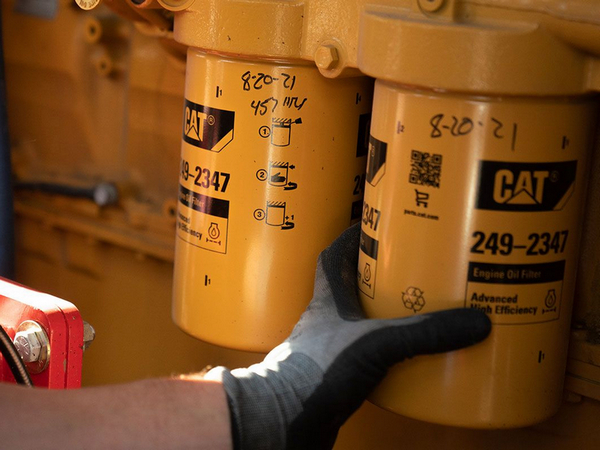
Replace engine oil and the oil filter according to the maintenance schedule
Engine oil provides lubrication, heat dissipation, and cleaning protection for the engine. As usage time increases, the oil’s performance gradually declines, lubrication effectiveness weakens, and engine operating efficiency is affected.
It is recommended to replace the engine oil and oil filter promptly according to the equipment maintenance plan, and to select oil specifications and viscosity grades that meet the requirements of the engine model and operating conditions to ensure the engine maintains good lubrication performance at all times.
Keep the Air Filter Clean
The air filter is responsible for supplying clean air to the engine and is a critical component for ensuring combustion efficiency.
If the air filter becomes clogged, it can lead to:
· Insufficient air intake
· Reduced engine power
· Increased fuel consumption
· Higher emissions
Summer construction environments tend to be dusty, so you should regularly inspect the air filter and intake system. Clean or replace the filter element promptly based on actual operating conditions to ensure the engine receives an adequate supply of clean air.
Minimize Prolonged Idling
Prolonged idling not only increases fuel consumption but also promotes carbon buildup, accelerates wear on internal engine components, and impairs the normal operation of the exhaust aftertreatment system.
Except for necessary situations such as preheating the equipment or cooling it down after shutdown, minimize engine idling time as much as possible to improve equipment operating efficiency.
Avoid Prolonged Overloading of the Engine
Continuous overloading in high-temperature environments subjects the engine to greater thermal stress, accelerates component wear, increases fuel consumption, and may compromise equipment reliability.
During operation, use the equipment within the power and load ranges specified by the manufacturer to avoid prolonged full-load or overloaded operation.
Address Abnormal Alarms Promptly
If any of the following conditions occur during equipment operation, immediately investigate the cause:
· Abnormal engine noise
· Abnormal exhaust smoke
· Loss of power
· Excessive temperature
· Instrument panel alarms or fault codes
Upon detecting any abnormalities, promptly inspect the equipment according to the maintenance manual or contact professional service personnel for diagnosis to prevent minor faults from escalating into major repair issues.
Perform Routine Maintenance to Ensure Efficient Equipment Operation
High-temperature operating conditions in summer place greater demands on the engine’s cooling, lubrication, and air filtration systems. Establishing a standardized routine inspection and periodic maintenance regimen helps reduce equipment failure rates, minimize downtime, improve construction efficiency, and extend the engine’s service life.
Proper maintenance not only ensures that CAT engines deliver consistent and stable power output but also helps construction machinery maintain higher reliability and productivity under various complex operating conditions.



-
 Algeria Customer Visited EONMAC OfficeDecember 03, 2025
 -
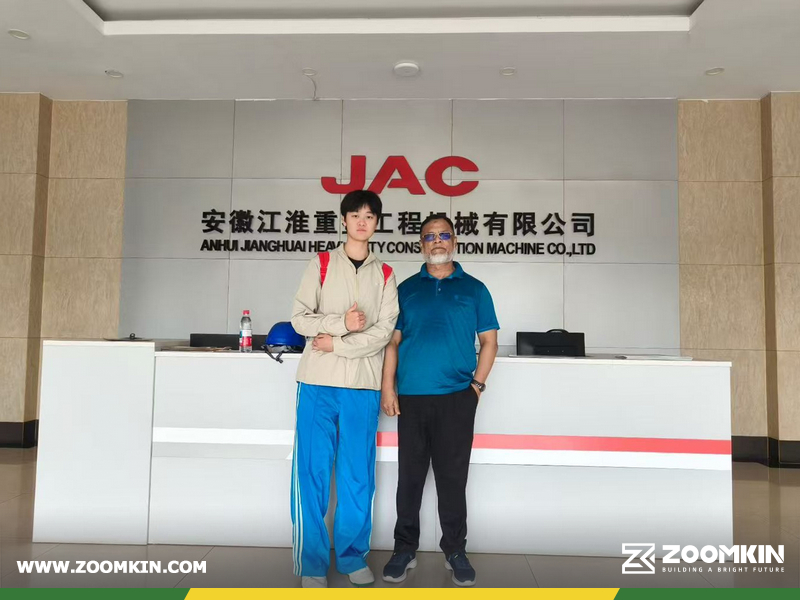 Bangladesh Customer Visited JAC FactoryOctober 11, 2025
 -
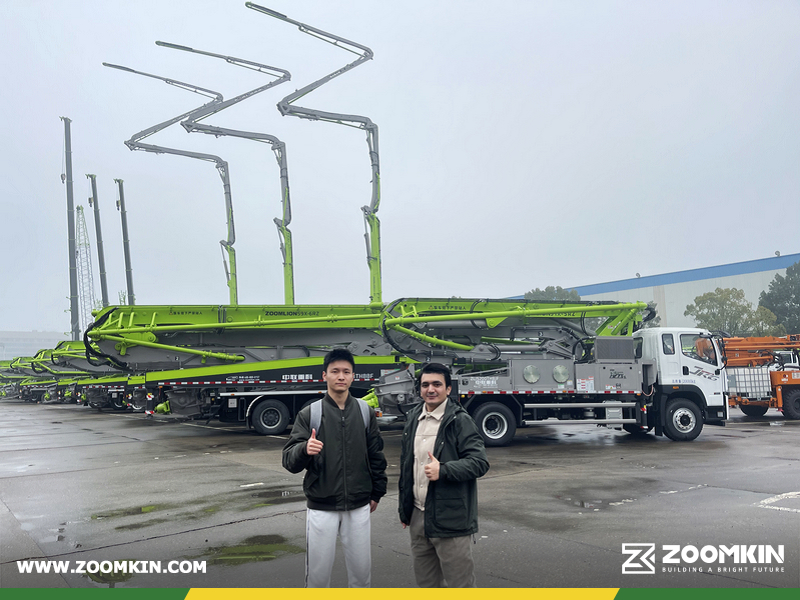 Kyrgyzstan Customer Visited ZOOMLION FactoryJanuary 31, 2024
 -
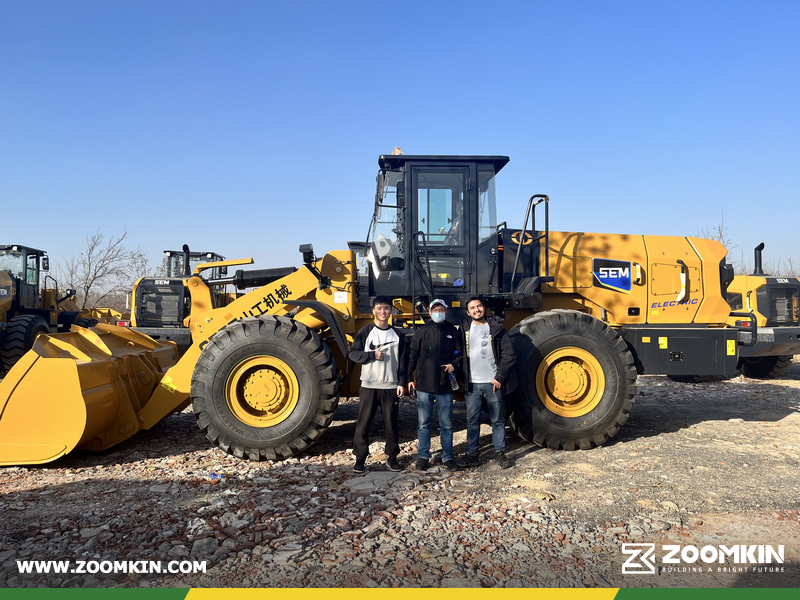 Colombia Customers Visted SEM FactoryDecember 08, 2023
-
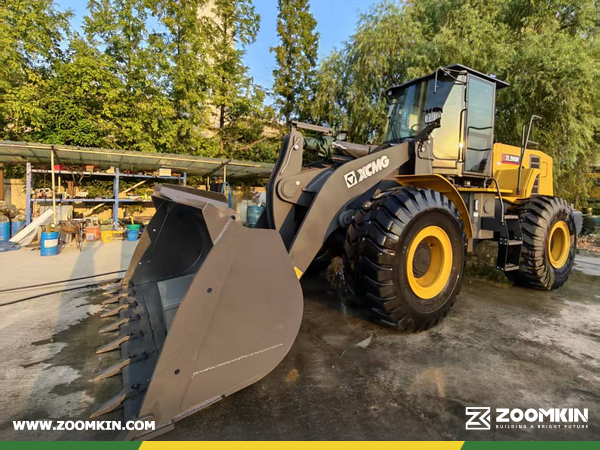 Zimbabwe - 1 Unit XCMG ZL50GN Wheel LoaderSeptember 17, 2026
 -
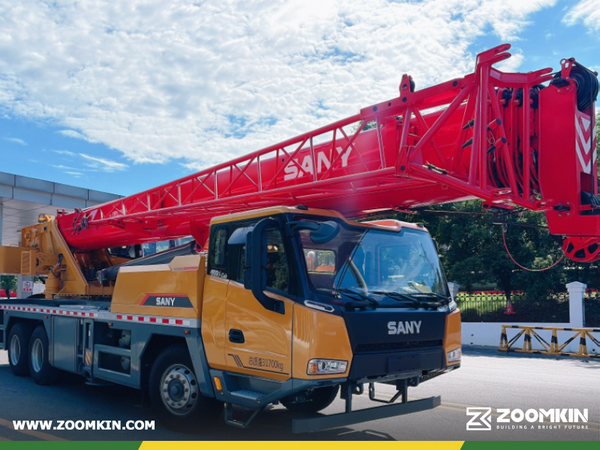 Maldives - 1 Unit SANY STC250C5-8 Truck Crane & 1 Unit XCMG XC6-3007V TelehandlerSeptember 11, 2026
 -
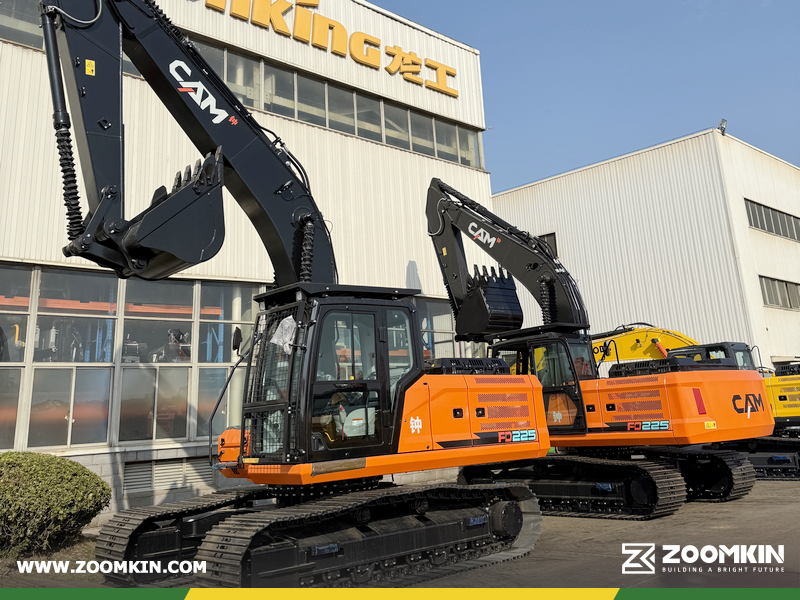 Ecuador - 3 Units LONKING FD225 Crawler ExcavatorDecember 17, 2025
 -
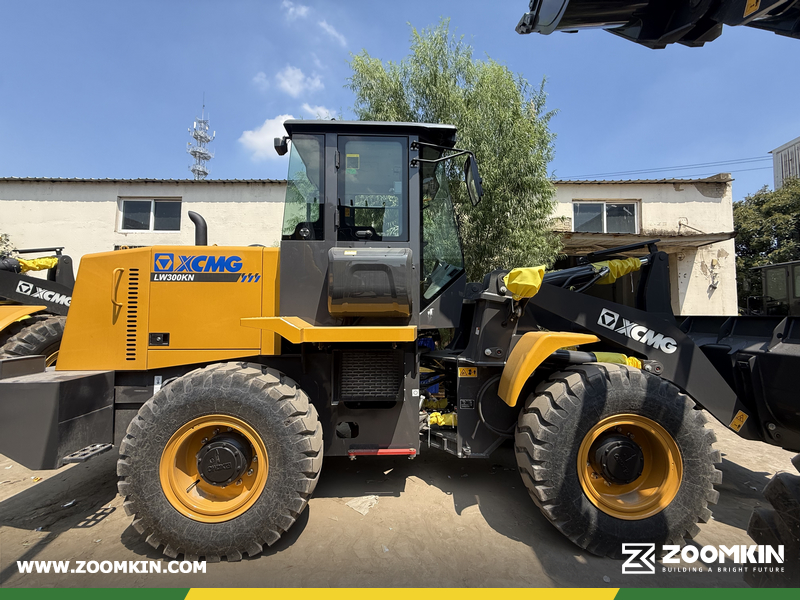 Bangladesh - 1 Unit XCMG LW300KN Wheel LoaderNovember 09, 2025
 -
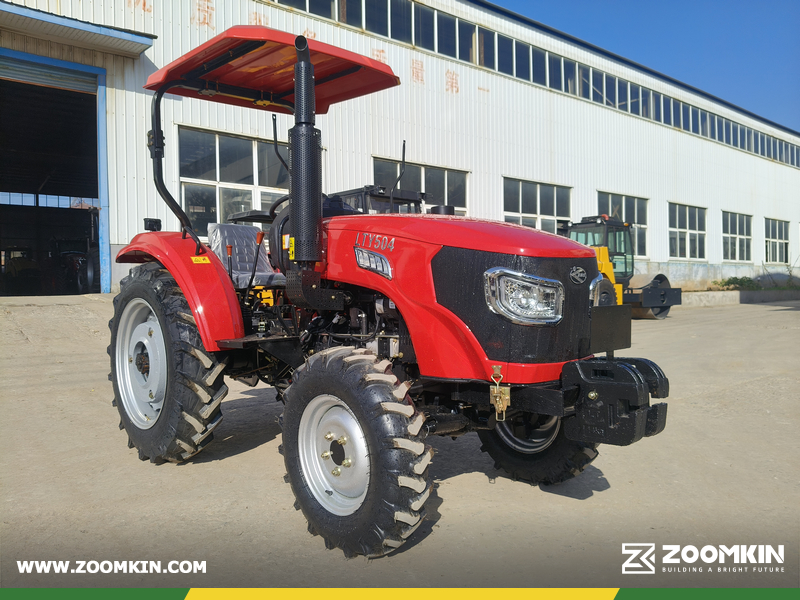 Argentina - 7 Units LUTONG LTY504 Wheel TractorOctober 31, 2025

 +86-592-5535-506
 +86-139-5926-1266
+86-159-5923-7232
 +86-592-5535-506
 Suite 1602, Qinggong Building, No. 366 Hubin South Road, Siming District, Xiamen City, Fujian Province, China