May 19, 2026
 383
383As the demand for operations on complex terrain continues to rise in mining, road construction, and earthwork projects, the value of bulldozer ripper attachments has become increasingly evident. As a critical attachment for enhancing rock and soil fragmentation efficiency, the correct installation and proper use of the ripper directly impact equipment operational efficiency, construction quality, and the overall service life of the machine. Industry technicians note that a scientific installation process and proper operating procedures can further maximize the performance advantages of bulldozers under heavy-duty conditions.
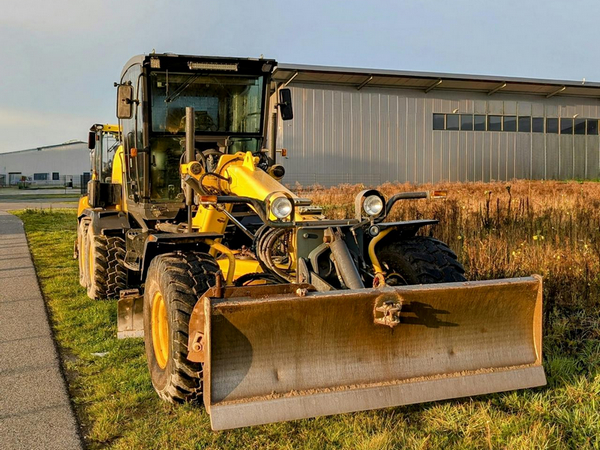
Proper Installation Is the Foundation for Stable Operation
During the installation of a ripper, the compatibility between the undercarriage and the hydraulic system is particularly critical. Technicians explain that before installation, the tracks or wheels, drive shaft, steering system, and main transmission structure must be installed first to ensure the stability and reliability of the entire undercarriage structure. Depending on specific operational requirements, related accessories such as rear and front axles can also be configured to enhance the machine’s adaptability.
As the primary power source for the ripper, the quality of the hydraulic system’s installation directly impacts the equipment’s operational stability. Typically, the oil tank is mounted on the chassis frame or behind the cab, while the oil pump is positioned in front of the tank and connected to the hydraulic transmission system. During installation, special attention must be paid to checking hydraulic hose connections, seals, and the layout of the oil lines to prevent issues such as oil leaks or insufficient pressure.
After completing the hydraulic system installation, the ripper must be secured to the rear frame of the bulldozer, ensuring that all connecting components are firmly fastened to prevent loosening or detachment during high-load operations. Industry experts note that using high-quality hydraulic components and connection structures helps improve the machine’s overall reliability and continuous operation capability.
Scientific Operation to Improve Loosening Efficiency
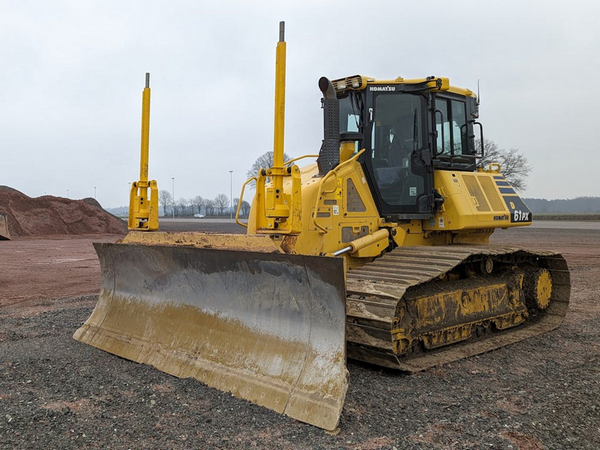
During actual construction, different working conditions impose varying requirements on the operation of the loosener. For medium- to high-hardness rock layers, a single-blade loosener is typically used to enhance penetration capability and reduce the risk of material jamming. In conditions where large rock masses are likely to form, the single-blade structure is also more conducive to rock stripping and fragmentation.
During operation, the operator should first slowly lower the tips of the rock breaker teeth to gradually reach an appropriate penetration depth, then coordinate with the host machine’s low-speed forward movement to complete the rock breaking operation. It is generally recommended within the industry to prioritize working downhill to fully utilize the equipment’s own weight and power, thereby improving operational efficiency and reducing energy consumption.
Adjusting the loosening angle is equally important. When encountering harder weathered rock layers, the loosening angle typically needs to be increased to help the tines cut into the rock more effectively; during the rock stripping phase, the angle can be appropriately reduced to enhance prying and crushing effects. Timely adjustment of operating parameters based on changes in soil conditions helps improve construction quality and reduce equipment load.
Enhancing Maintenance Management to Extend Equipment Lifespan
During daily operation, operators must continuously monitor the ripper’s working condition to avoid prolonged overloading. If hard obstacles are encountered during construction, the machine should be stopped immediately for inspection to prevent damage to the tooth tips and frame structure.
In addition, regular maintenance is a critical component of ensuring stable equipment operation. Technicians recommend that companies regularly inspect tooth tip wear, the tightness of connecting components, and the sealing performance of the hydraulic system. If any abnormalities are detected, relevant components should be repaired or replaced promptly to ensure the equipment remains in optimal working condition at all times.
As construction environments become increasingly complex, the specialized application of bulldozer attachments is gaining significant attention within the industry. Industry experts believe that through standardized installation, scientific operation, and systematic maintenance, it is possible not only to improve loosening efficiency but also to effectively reduce equipment failure rates, thereby providing more stable and efficient equipment support for construction projects.



-
 Algeria Customer Visited EONMAC OfficeDecember 03, 2025
 -
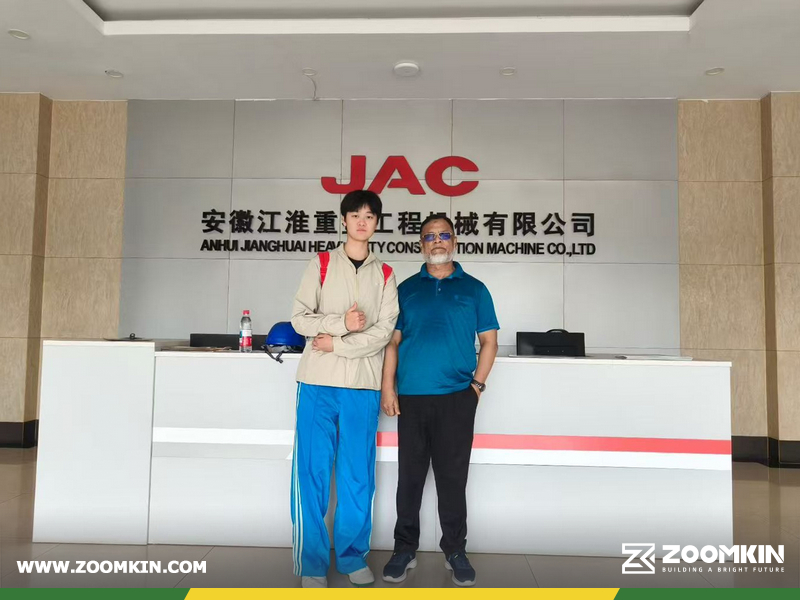 Bangladesh Customer Visited JAC FactoryOctober 11, 2025
 -
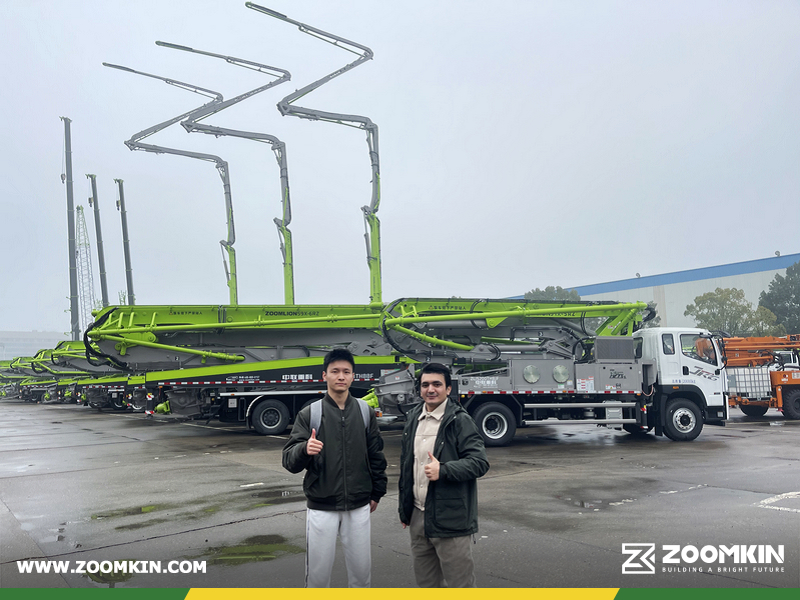 Kyrgyzstan Customer Visited ZOOMLION FactoryJanuary 31, 2024
 -
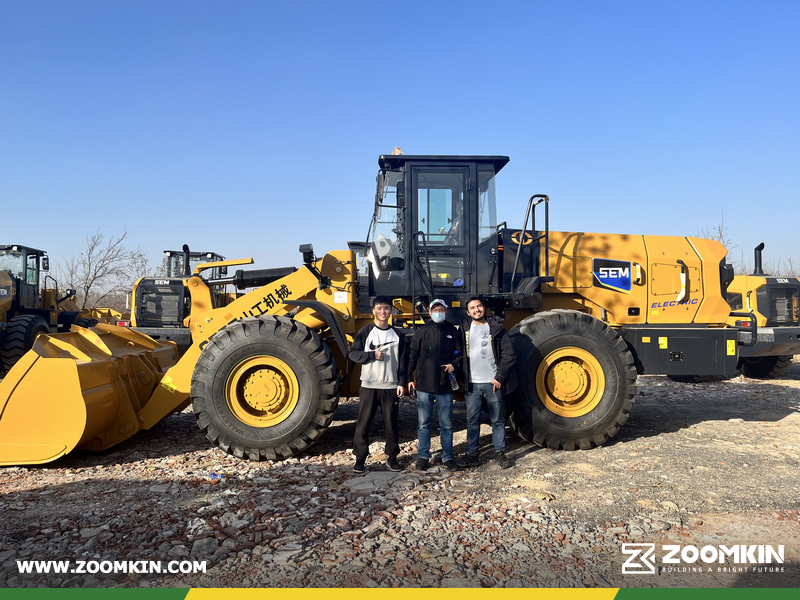 Colombia Customers Visted SEM FactoryDecember 08, 2023
-
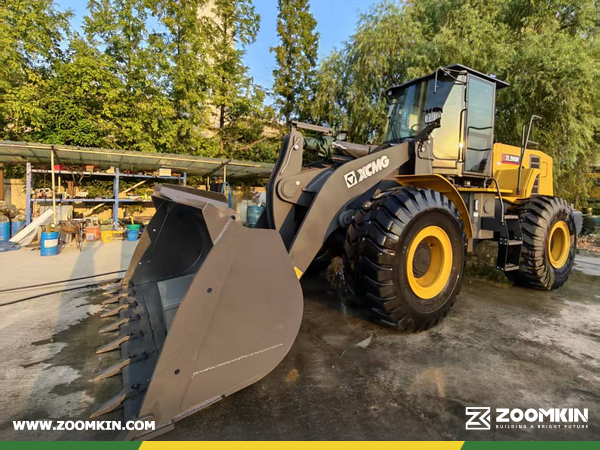 Zimbabwe - 1 Unit XCMG ZL50GN Wheel LoaderSeptember 17, 2026
 -
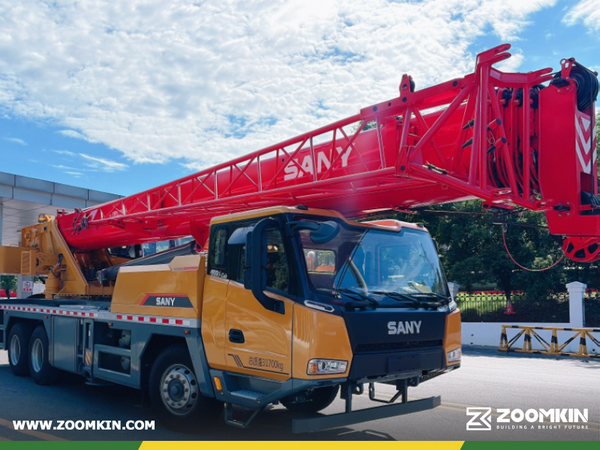 Maldives - 1 Unit SANY STC250C5-8 Truck Crane & 1 Unit XCMG XC6-3007V TelehandlerSeptember 11, 2026
 -
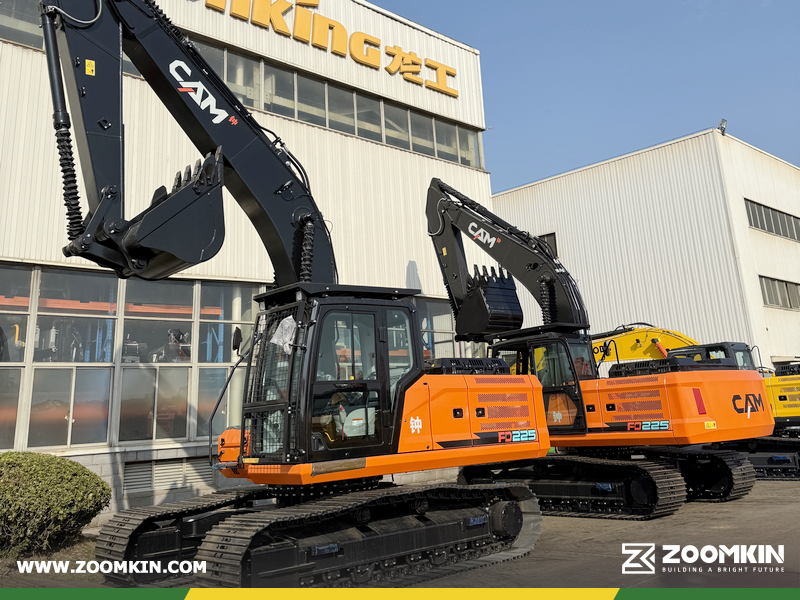 Ecuador - 3 Units LONKING FD225 Crawler ExcavatorDecember 17, 2025
 -
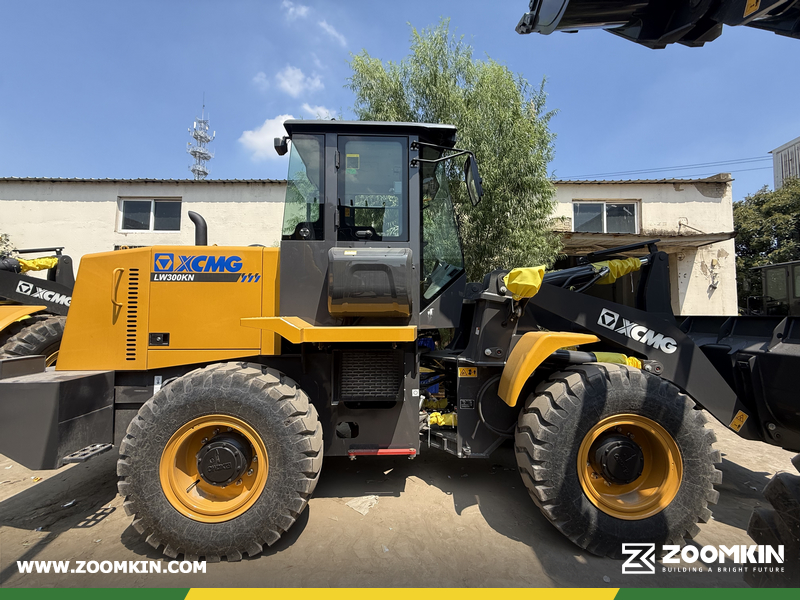 Bangladesh - 1 Unit XCMG LW300KN Wheel LoaderNovember 09, 2025
 -
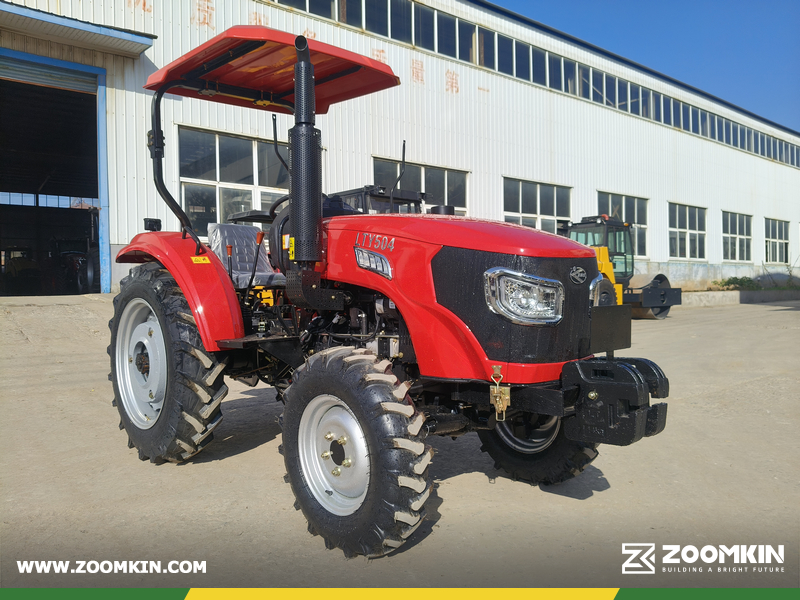 Argentina - 7 Units LUTONG LTY504 Wheel TractorOctober 31, 2025

 +86-592-5535-506
 +86-139-5926-1266
+86-159-5923-7232
 +86-592-5535-506
 Suite 1602, Qinggong Building, No. 366 Hubin South Road, Siming District, Xiamen City, Fujian Province, China