October 19, 2026
 3
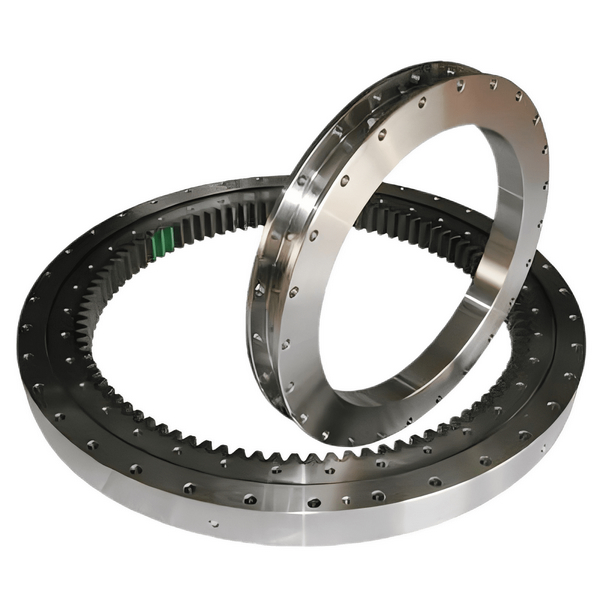
Slewing bearings are critical components in construction machinery such as excavators and cranes. They are primarily used to support loads and enable relative rotational movement between equipment components. Their operating condition affects the equipment’s operational efficiency, stability, and safety.
During long-term use, slewing bearings may be affected by factors such as loads, friction, dust, and moisture. Regular inspections, proper lubrication, and prompt resolution of abnormalities help reduce component wear and lower the risk of equipment failure.
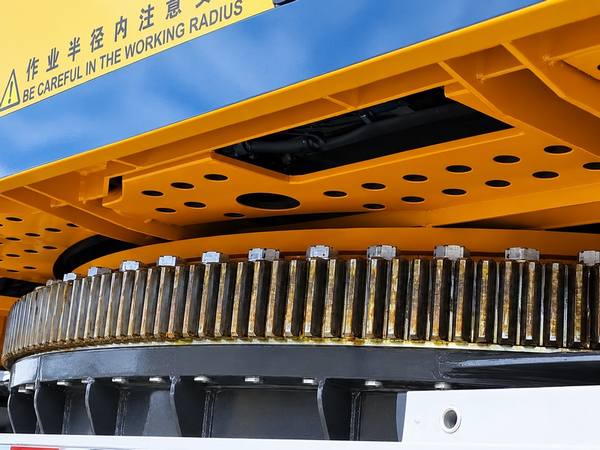
1. Regularly Inspect the Condition of the Slewing Bearing
Routine inspections are a key measure for preventing slewing bearing failures. Before operating the equipment, check the slewing bearing and surrounding areas for cracks, deformation, oil leaks, or other obvious abnormalities.
At the same time, pay attention to whether abnormal noises, vibrations, or rough rotation occur when the equipment is rotating. Regularly check the tightness of the connecting bolts and verify that they meet the torque specifications set by the equipment manufacturer.
For equipment that has been in service for a long time or operates under heavy loads, the axial and radial clearances of the slewing bearing, as well as the wear on the gear ring, should also be inspected regularly. If significant changes in clearance, damage to the gear teeth, or other abnormalities are detected, a professional inspection should be arranged promptly.
2. Effective Lubrication Management
Lubrication is a critical factor in reducing wear on slewing bearings. Proper lubrication reduces friction between the rolling elements and raceways and helps extend the service life of components.
The type of grease and the lubrication interval should be determined based on the equipment model, workload, ambient temperature, and operating conditions. High-load or dusty environments, such as mines and ports, typically require more frequent checks of lubrication status.
Before applying grease, clean the area around the grease fitting to prevent dust and contaminants from entering. During the application process, slowly rotate the slewing bearing in accordance with equipment maintenance requirements to ensure more even grease distribution.
If the grease becomes contaminated, deteriorates, or exhibits other abnormalities, replace it according to the manufacturer’s instructions. Avoid using incompatible greases, and do not arbitrarily increase the grease quantity.
3. Enhancing Cleaning and Seal Protection
Dust, sand, and moisture entering the interior of the slewing bearing may accelerate wear on the raceways and rolling elements. Therefore, dust, oil residue, and other debris should be regularly removed from the surface of the slewing bearing.
Seals help prevent external contaminants from entering the interior. During inspections, check the seals for signs of aging, damage, or detachment. If seal failure is detected, replace the seals promptly with ones that meet the equipment’s requirements.
In humid or corrosive environments, strengthen rust prevention and cleaning measures. When cleaning the equipment, avoid directing high-pressure water jets directly at the sealing areas to prevent moisture from entering the interior of the slewing bearing.
4. Promptly Address Common Malfunctions
If the slewing bearing exhibits abnormal noise, difficulty rotating, or grease leakage, promptly investigate the cause.
Abnormal Noise or Vibration: This may be related to insufficient lubrication, foreign object intrusion, raceway damage, or tooth surface wear; inspect the lubrication status and relevant components.
Difficulty Rotating: This may be related to poor lubrication, improper installation, or component wear; inspect the slewing bearing and connecting structures.
Grease Leakage: Check whether the seals are damaged and confirm that the grease fill level meets requirements.
Abnormal Clearance or Obvious Wear: Further inspection by a professional is required, followed by adjustment, repair, or replacement based on the inspection results.
If the equipment exhibits obvious abnormalities, stop all related operations and conduct an inspection. Do not continue operation until the cause of the malfunction has been identified to prevent further damage.
6. Long-Term Storage Maintenance
Protective measures for the slewing bearing are also necessary when the equipment is out of service for an extended period. Before storage, clean the surfaces of the components and implement rust-prevention measures in accordance with the equipment specifications.
The equipment should be stored in a dry, well-ventilated environment to avoid standing water and prolonged exposure to moisture. For equipment that requires periodic rotation, follow the manufacturer’s instructions to minimize the risk of rust caused by prolonged inactivity.
Before returning the equipment to service, inspect the lubrication status, seals, and connecting bolts, and ensure the slewing bearing is operating normally before resuming operations.
Maintenance of slewing bearings must be tailored to the specific equipment model and actual operating conditions. Regular inspections, proper lubrication, cleaning and protection, and timely troubleshooting help reduce component wear and the risk of equipment downtime.
Strictly adhering to the manufacturer’s maintenance requirements can improve the operational reliability of slewing bearings, extend component service life, and support the safe and stable operation of construction machinery.



-
 Algeria Customer Visited EONMAC OfficeDecember 03, 2025
-
 Bangladesh Customer Visited JAC FactoryOctober 11, 2025
-
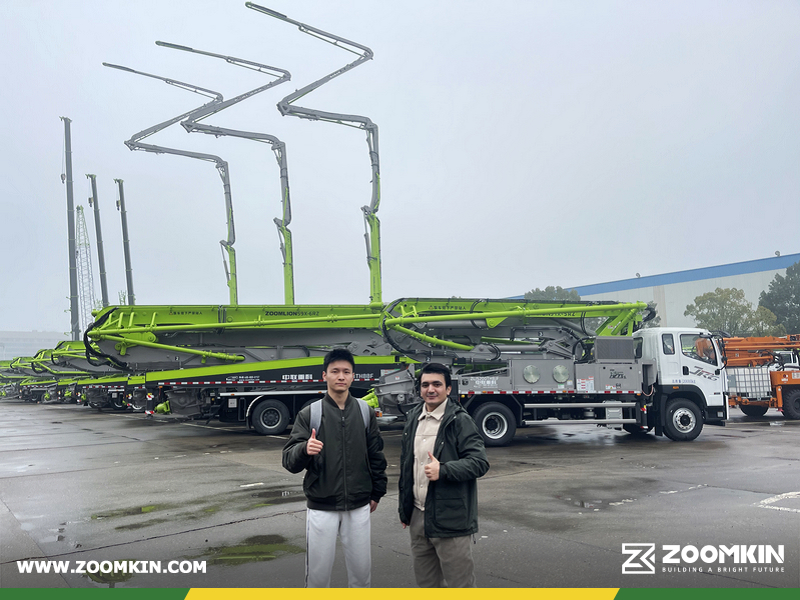 Kyrgyzstan Customer Visited ZOOMLION FactoryJanuary 31, 2024
-
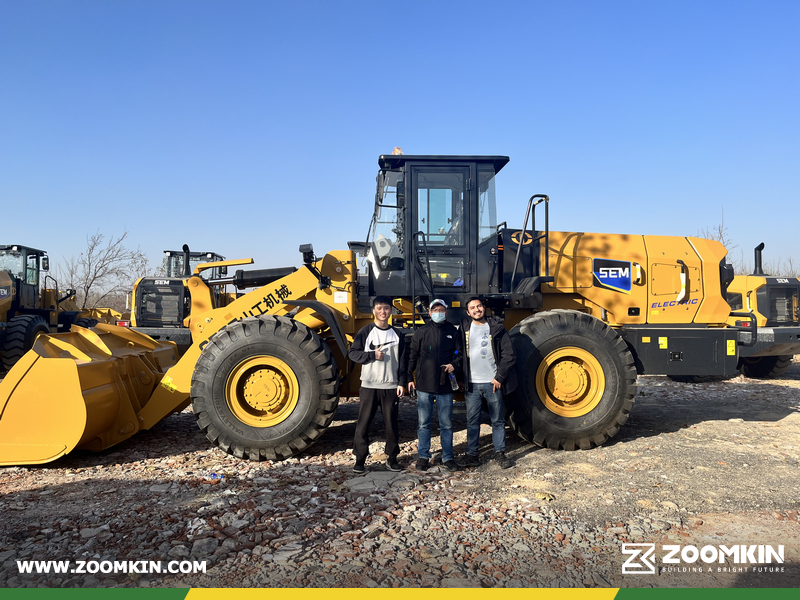 Colombia Customers Visted SEM FactoryDecember 08, 2023
-
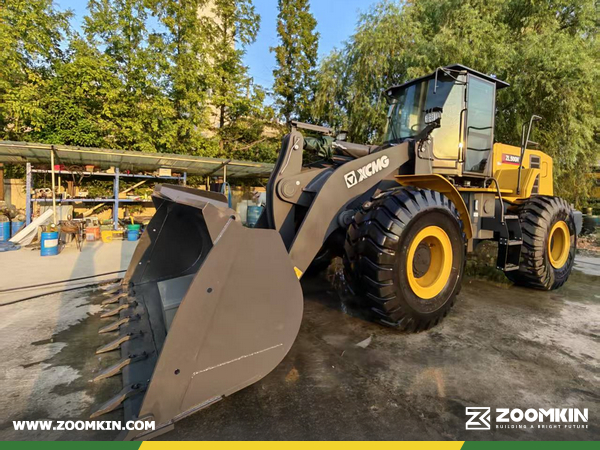 Zimbabwe - 1 Unit XCMG ZL50GN Wheel LoaderSeptember 17, 2026
-
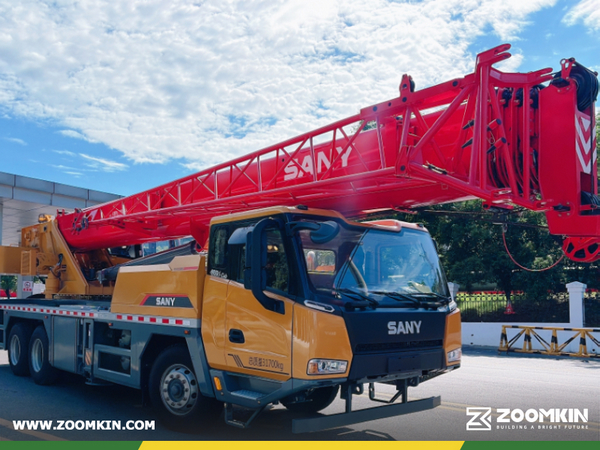 Maldives - 1 Unit SANY STC250C5-8 Truck Crane & 1 Unit XCMG XC6-3007V TelehandlerSeptember 11, 2026
-
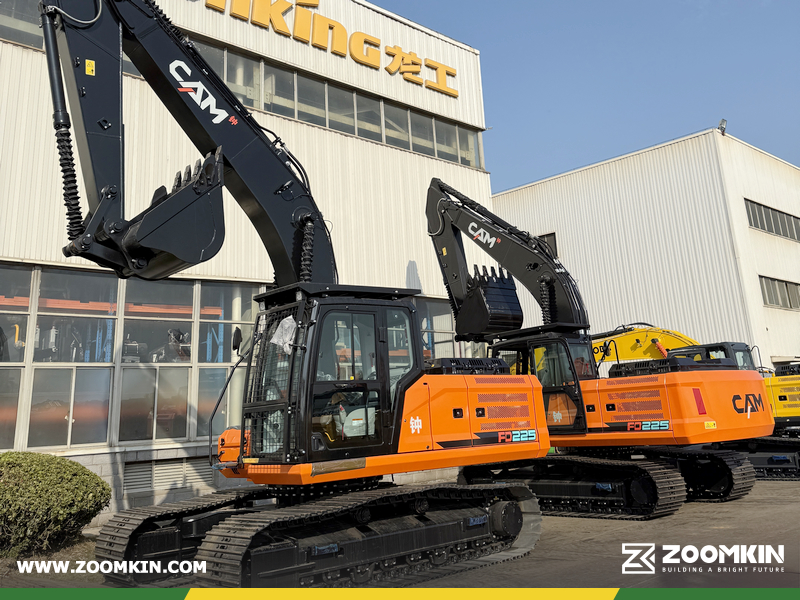 Ecuador - 3 Units LONKING FD225 Crawler ExcavatorDecember 17, 2025
-
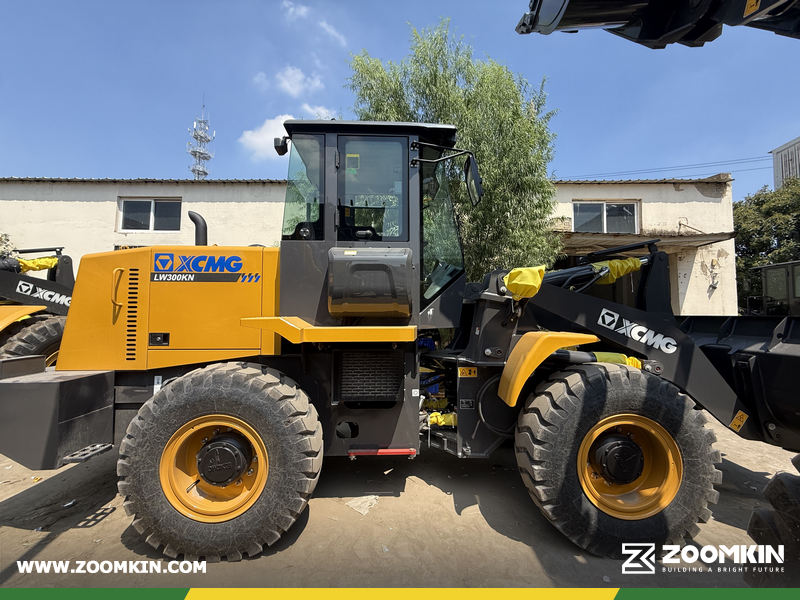 Bangladesh - 1 Unit XCMG LW300KN Wheel LoaderNovember 09, 2025
-
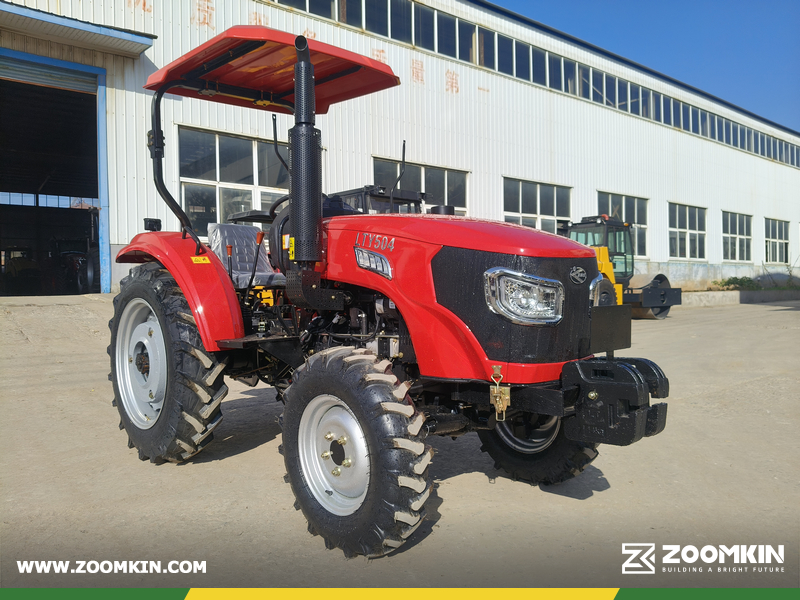 Argentina - 7 Units LUTONG LTY504 Wheel TractorOctober 31, 2025

 +86-592-5535-506
 +86-139-5926-1266
+86-159-5923-7232
 +86-592-5535-506

 Suite 1602, Qinggong Building, No. 366 Hubin South Road, Siming District, Xiamen City, Fujian Province, China