November 27, 2026
 4
Mini excavators, also known as compact excavators, are characterized by their compact size, agile operation, and high precision, making them widely used in construction, landscaping, municipal projects, and small-scale earthmoving operations. Mini excavators play a particularly important role in confined spaces where large equipment cannot access.
To maintain equipment performance, reduce unexpected downtime, and extend service life, daily maintenance is crucial. Establishing a reasonable preventive maintenance schedule to promptly identify component wear and equipment abnormalities can effectively lower repair costs. The following five areas require special attention during mini excavator maintenance.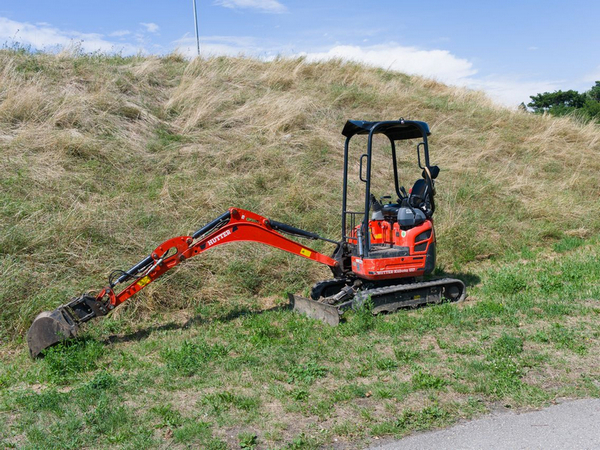
Insufficient or Excessive Lubrication
Components such as pins, bushings, slewing bearings, and bucket linkages on mini excavators require regular lubrication.
Insufficient lubrication increases friction between metal parts, accelerating wear; excessive lubrication can damage seals and attract dust and debris, affecting normal operation.
Therefore, maintenance should be performed according to the lubrication intervals and quantities specified in the equipment manual. For components such as undercarriage pins and bucket linkages, grease should be applied regularly as required to ensure all moving parts remain in good condition.
Improper Track Tension
Track tension directly affects the mini excavator’s travel performance and the service life of the undercarriage.
Over-tightened tracks increase the load on the idler wheels, carrier wheels, and drive wheels, accelerating component wear; under-tightened tracks can cause the tracks to sag, increasing wear on the pins and bushings, and in severe cases, may even result in derailment.
It is recommended to inspect the track condition before each shift and adjust the tension according to the manufacturer’s specifications. At the same time, pay attention to any abnormal wear, cracks, or damage on the tracks.
Abnormalities in the Travel Motor
The travel motor drives the tracks and is a critical component for ensuring the machine’s normal movement.
If you notice abnormal noises, reduced travel power, difficulty steering, or hydraulic fluid leaks, this may indicate a malfunction in the travel motor; you should shut down the machine immediately for inspection.
During routine maintenance, focus on keeping the area around the motor clean to prevent dust and debris buildup from impairing heat dissipation. Additionally, replace relevant fluids at the specified intervals and inspect the condition of seals and bearings to reduce the risk of overheating and internal wear.
Hydraulic System Failures
The hydraulic system provides power for the mini excavator’s digging, rotation, lifting, and travel functions. Problems with the hydraulic system can directly affect the machine’s operational capability.
Common issues include hydraulic fluid leaks, drops in system pressure, and excessively high fluid temperatures. Regularly check the hydraulic fluid level, hoses, fittings, cylinders, and seals to promptly detect leaks and component damage.
Furthermore, hydraulic fluid leaks can cause serious injury. When inspecting, strictly adhere to safety operating procedures; use tools such as cardboard to help locate leaks, and never touch high-pressure leak points directly with your hands.
Chassis Debris Accumulation and Wear
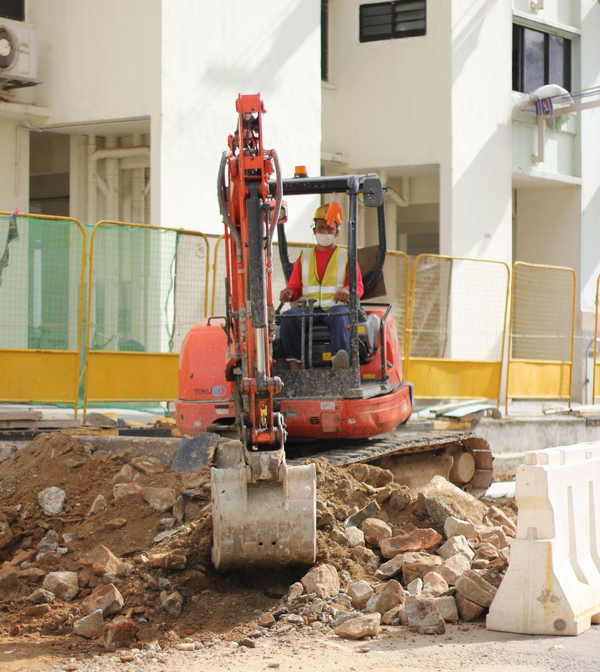
When operating in environments such as mud, gravel, or ice and snow, dirt and debris can easily accumulate inside the chassis. This buildup not only increases the machine’s weight but may also accelerate wear on components such as tracks, idler wheels, and drive wheels, thereby affecting travel efficiency and fuel economy.
It is recommended to clean the undercarriage promptly after each operation, especially after working in muddy or icy conditions. Use a hose or high-pressure washer to remove mud and debris, but avoid direct contact with vulnerable parts such as hoses and seals, and do not use strong, corrosive cleaning agents.
Although mini excavators are compact in size, prolonged operation can still lead to component wear and equipment malfunctions. Regular lubrication, track inspections, maintenance of the travel motor, checks of the hydraulic system, and undercarriage cleaning are essential measures for ensuring stable equipment operation.
By establishing a standardized preventive maintenance plan, you can identify potential issues early, reduce equipment downtime, extend service life, and effectively control operational costs for construction projects.



-
 UAE Customer Visited ZOOMKIN OfficeOctober 23, 2026
-
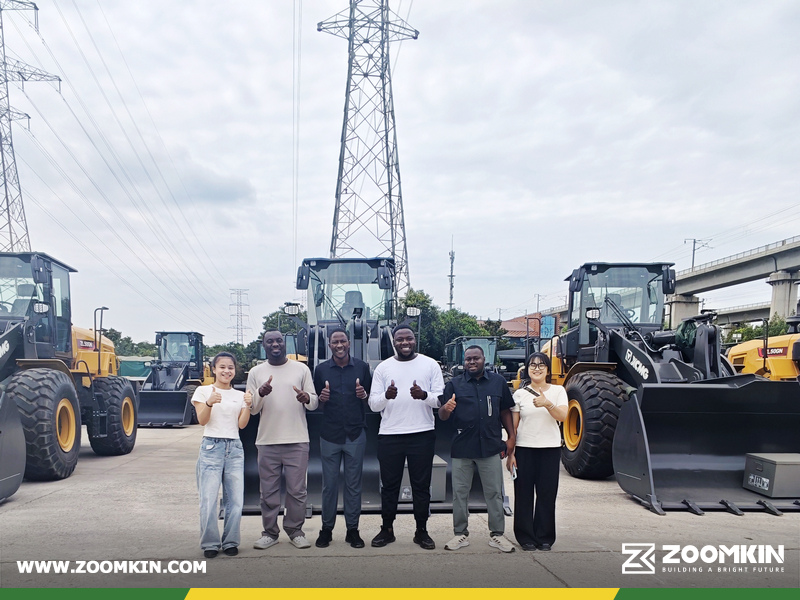 Zimbabwe Customers Visited XCMG FactorySeptember 09, 2026
-
 Algeria Customer Visited EONMAC OfficeDecember 03, 2025
-
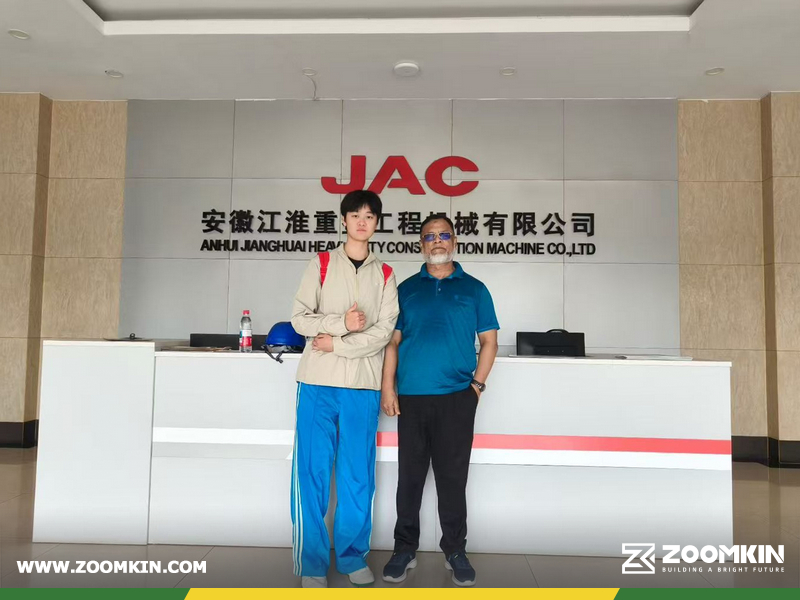 Bangladesh Customer Visited JAC FactoryOctober 11, 2025
-
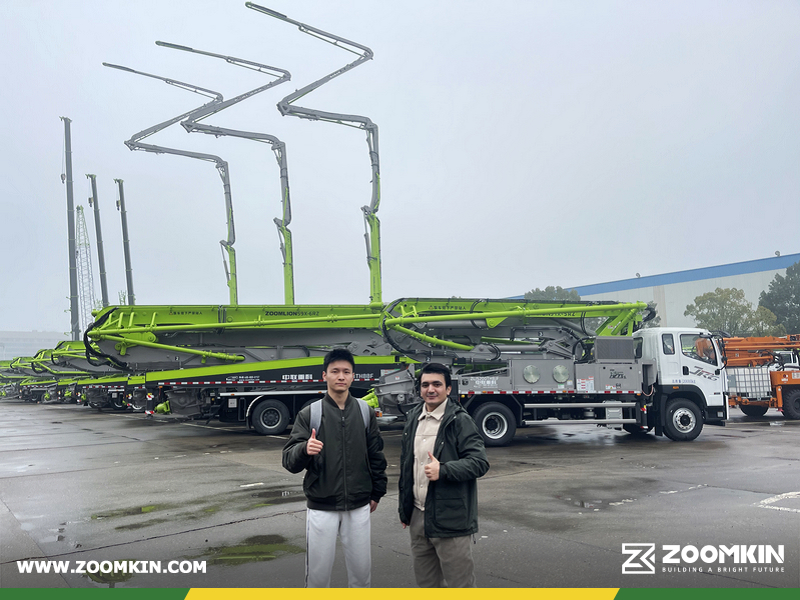 Kyrgyzstan Customer Visited ZOOMLION FactoryJanuary 31, 2024
-
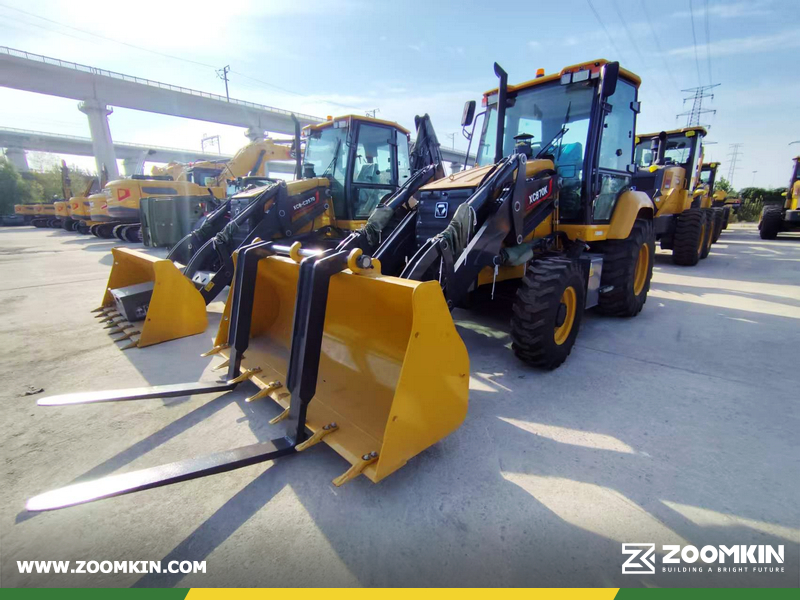 Ecuador - 2 Unit XCMG XC870K Backhole LoaderNovember 06, 2026
-
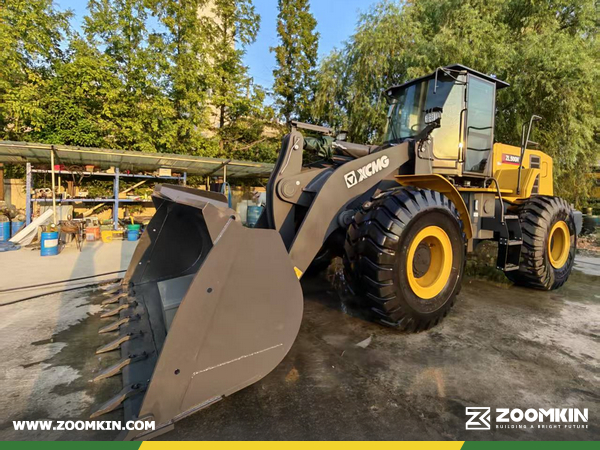 Zimbabwe - 1 Unit XCMG ZL50GN Wheel LoaderSeptember 17, 2026
-
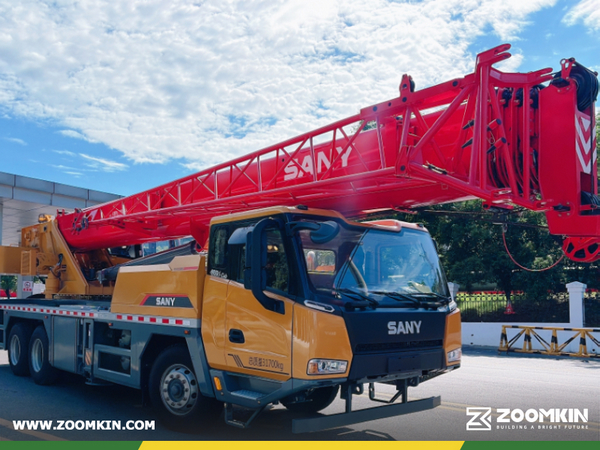 Maldives - 1 Unit SANY STC250C5-8 Truck Crane & 1 Unit XCMG XC6-3007V TelehandlerSeptember 11, 2026
-
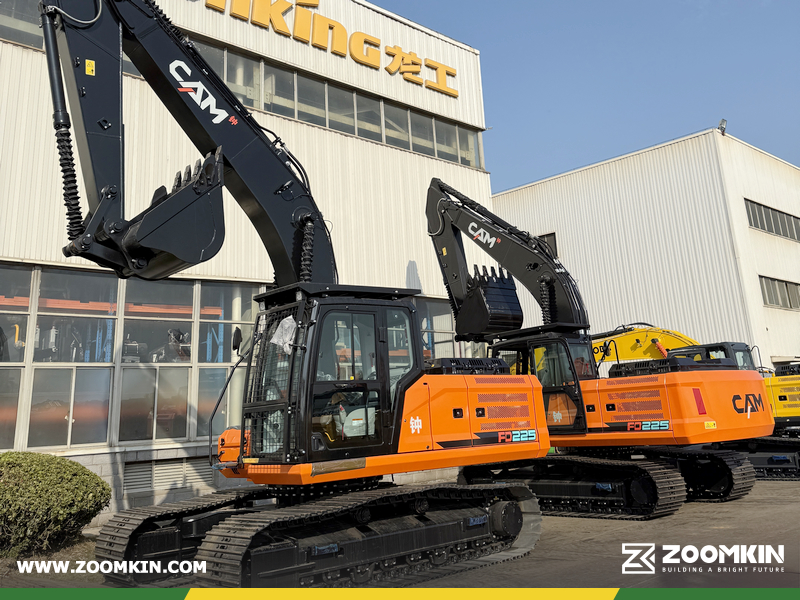 Ecuador - 3 Units LONKING FD225 Crawler ExcavatorDecember 17, 2025
-
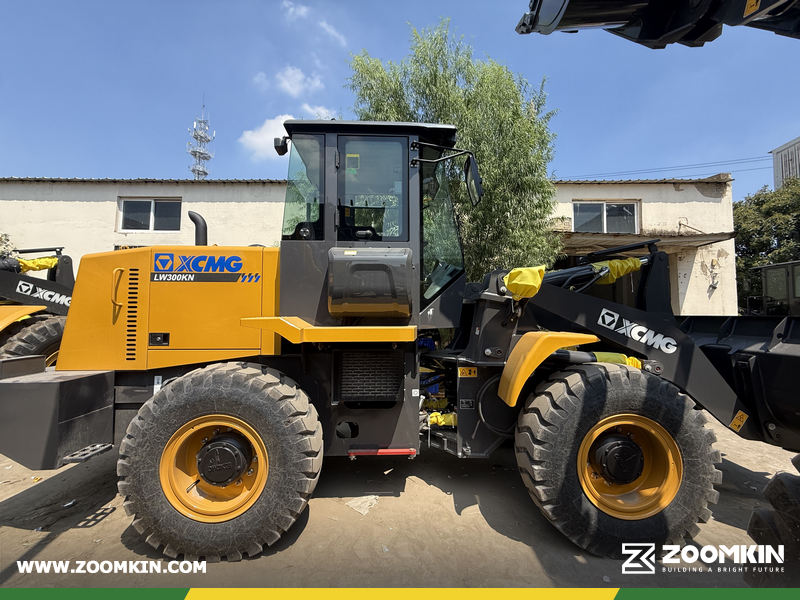 Bangladesh - 1 Unit XCMG LW300KN Wheel LoaderNovember 09, 2025

 +86-592-5535-506
 +86-139-5926-1266
+86-159-5923-7232
 +86-592-5535-506

 Suite 1602, Qinggong Building, No. 366 Hubin South Road, Siming District, Xiamen City, Fujian Province, China